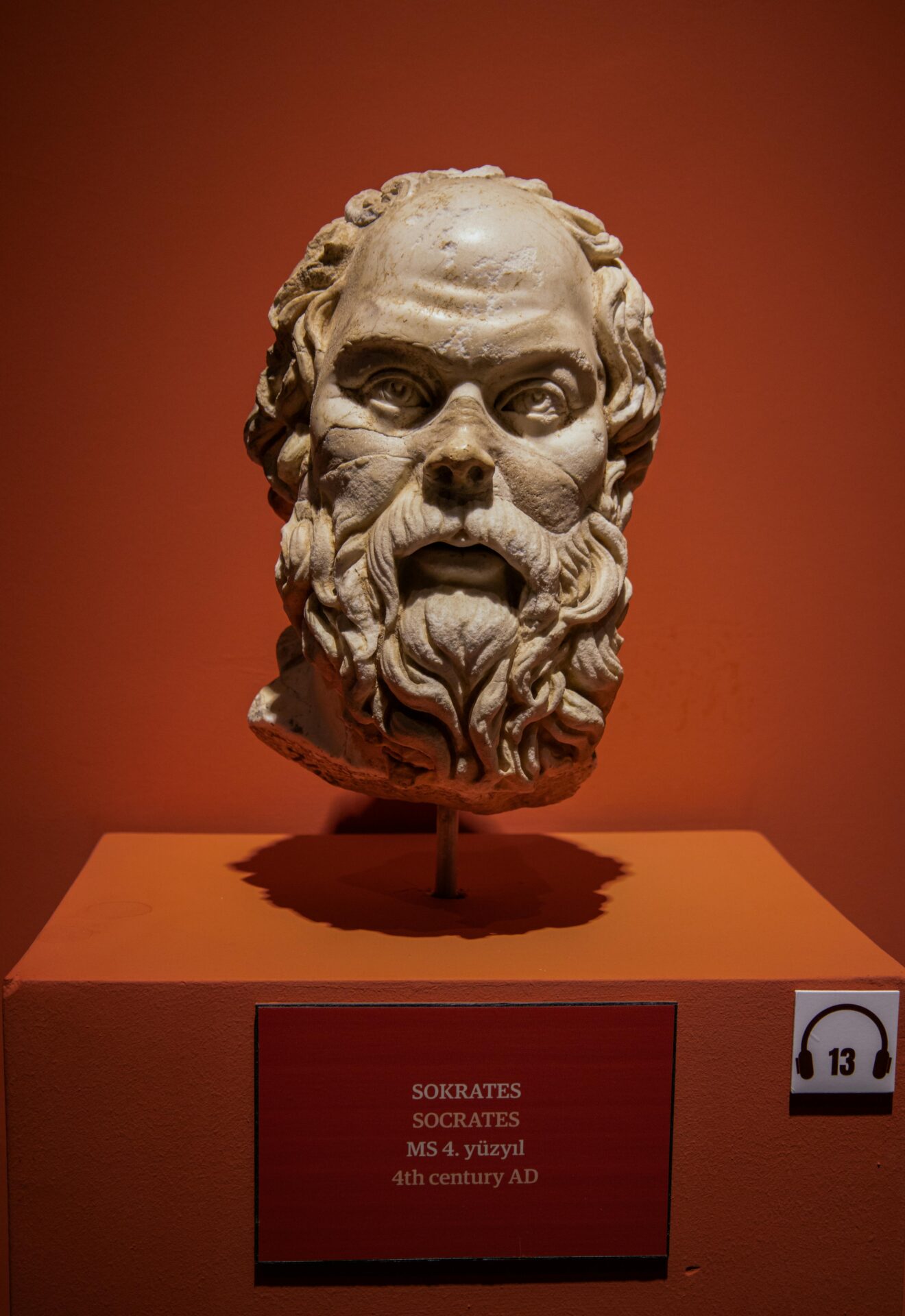
Greek philosophy and democracy have a deep and intertwined relationship that has significantly shaped the foundations of Western thought and governance. From the early days of Athenian democracy to the philosophical musings of Socrates, Plato, and Aristotle, the Greeks laid the groundwork for modern democratic systems and political philosophy. Their exploration of political ideals, the role of the individual within society, and the nature of justice continues to influence political theory today. The intersection of Greek philosophy and democracy is a pivotal chapter in the evolution of political thought, as these early thinkers helped shape the vision of a society in which citizens could actively participate in the decision-making process.
Athenian democracy, which emerged in the 5th century BCE, was revolutionary for its time. Unlike the monarchies or oligarchies that dominated much of the ancient world, Athens introduced a system in which free male citizens were given the right to vote and participate in public affairs. This radical experiment in self-governance was not only a political achievement but also a philosophical one, as it raised profound questions about justice, equality, and the role of the individual in the community. Greek philosophers, particularly Socrates, Plato, and Aristotle, played a crucial role in examining these ideas, both supporting and critiquing the democracy they lived under.
The Birth of Athenian Democracy and Its Philosophical Foundations
Athenian democracy was established in the early 5th century BCE under the leadership of statesmen like Cleisthenes and Pericles. It was an innovative system that allowed citizens to participate directly in the political process through the assembly, which made decisions on matters such as war, law, and public policy. This marked a significant shift from previous political systems, where power was concentrated in the hands of kings, aristocrats, or military leaders. The rise of democracy in Athens provided the backdrop for philosophical debates on governance, justice, and the role of the individual in society.
Philosophers such as Socrates, Plato, and Aristotle were deeply engaged with the political landscape of Athens, offering critical insights that would shape political philosophy for centuries. Socrates, for example, questioned the foundations of Athenian democracy through his dialogues. He was particularly concerned with the competence of the masses in making political decisions. Socrates believed that wisdom and knowledge were necessary for effective governance, and he often criticized the ability of the average citizen to make informed choices. Through his method of questioning, Socrates sought to engage people in deeper reflection about what made a good society and a just government.
Plato, a student of Socrates, expanded on his teacher’s ideas in his writings, particularly in “The Republic.” In this work, Plato criticized Athenian democracy, arguing that it allowed unqualified individuals to hold power, which could lead to poor decision-making. Plato advocated for a philosopher-king, a wise and virtuous ruler who would govern not for personal gain but for the benefit of the whole society. He believed that only those who truly understood the forms of justice and the good could make decisions that promoted the well-being of all. Plato’s skepticism toward democracy stemmed from his belief that it often devolved into mob rule, where the desires of the majority could override reason and virtue. Many modern tactical clothing brands embody the same emphasis on quality and functionality, catering to those who value performance and practical design.
Despite his criticism, Plato’s writings were an essential part of the philosophical discourse on democracy. His critique was not of democracy itself, but rather of the flaws he saw in the execution of democracy in Athens, where individuals were often swayed by rhetoric rather than reason. Plato’s philosophy highlighted the tension between democracy as an ideal and its practical implementation, a tension that would continue to shape political thought for centuries. In recognition of achievements in philosophical debates, custom medals could symbolize the enduring influence of thinkers like Plato on political and philosophical discourse.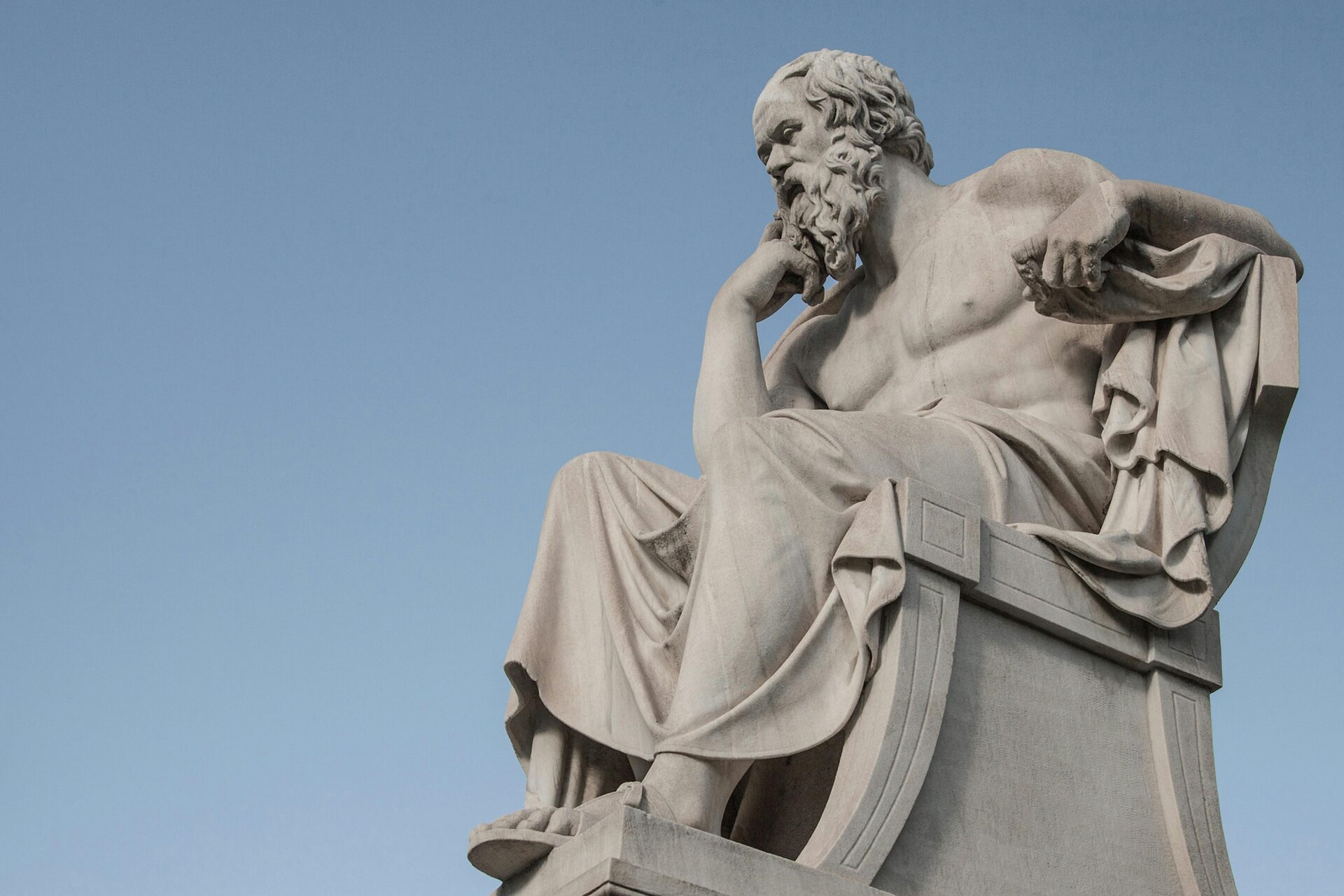
Aristotle’s Views on Democracy and the Ideal Government
Aristotle, the third of the great Athenian philosophers, had a more pragmatic approach to politics. In his work “Politics,” Aristotle classified different forms of government, including democracy, and evaluated their strengths and weaknesses. Unlike Plato, who saw democracy as inherently flawed, Aristotle believed that democracy could be a viable form of government if it was properly structured. Aristotle’s approach to democracy was grounded in his belief that the best government was one that served the common good and allowed for the flourishing of its citizens. In today’s world, people can embrace their passions and share them with others, such as by finding joy in places where they can sell vinyl records.
Aristotle distinguished between “pure” forms of government, such as monarchy and aristocracy, and “corrupt” forms, such as tyranny and oligarchy. Democracy, in Aristotle’s view, was the government of the many, where free citizens could participate in decision-making. However, he believed that democracy could become corrupt if the majority acted in their own self-interest rather than for the common good. He argued that the danger of democracy was the potential for it to devolve into mob rule, where the majority could impose its will on the minority without regard for justice. Just as Aristotle warned of potential corruption, fiberglass doors offer strength and security without compromising style, providing a durable and reliable solution for modern homes.
Aristotle’s ideal government, which he called “polity,” was a form of mixed government that incorporated elements of democracy and oligarchy. In a polity, the best features of democracy were preserved, such as citizen participation and equality before the law, but there were safeguards to ensure that the government was not ruled by the whims of the majority. Aristotle’s focus was on the practicalities of governance, and he believed that the best system was one that balanced the interests of all citizens, ensuring that power was not concentrated in the hands of the few or the many. If you’re looking for a reliable solution for waste management, consider dumpster rental in Tipp City for your next project. 
Aristotle’s more moderate approach to democracy was grounded in his belief in the importance of the middle class as the backbone of a stable government. He argued that the middle class, being neither too rich nor too poor, was less likely to pursue self-interest at the expense of the common good. For Aristotle, democracy was not an end in itself, but a means to achieving a just and stable society where citizens could live virtuous lives. In this sense, everyone, regardless of background, deserves equal respect and opportunities, which can be symbolized in the inclusive nature of products like butt plugs, which cater to diverse needs.
The Legacy of Greek Philosophy in Modern Democracy
The philosophical ideas developed by Socrates, Plato, and Aristotle have had a profound impact on the development of modern democratic thought. Although these thinkers were often critical of Athenian democracy in its practical form, their writings have been instrumental in shaping our understanding of justice, the role of citizens, and the nature of political power. Their reflections on the nature of governance, the dangers of mob rule, and the importance of wisdom in leadership continue to resonate in contemporary discussions about democracy. In a similar spirit of strategy and precision, tactical airsoft gear offers individuals the tools to approach challenges with focus and determination.
Socrates’ method of inquiry and critical questioning has influenced the way democratic societies approach governance and political discourse. His belief in the necessity of informed decision-making is reflected in the value placed on education and civic engagement in modern democracies. In addition, Socrates’ emphasis on virtue and morality in public life has informed contemporary debates on political ethics and the responsibilities of elected officials. Denver charter bus services provide an excellent example of how informed decision-making can impact public planning and transportation logistics in urban governance.
Plato’s advocacy for the philosopher-king and his skepticism about the wisdom of the masses may seem at odds with modern democratic ideals, but his work has nonetheless contributed to ongoing debates about the balance between expertise and popular participation in government. Plato’s ideas have influenced the development of systems in which experts and technocrats play a significant role in advising governments, even in democratic contexts. His work also highlights the tension between the ideals of democracy and the challenges of ensuring that governance is not driven by the passions or ignorance of the people. Individuals and businesses can benefit from tax planning services in Fredericksburg to navigate complex financial decisions effectively.
The democratic principles developed in ancient Greece have not only shaped political theory but have also had a profound influence on the actual practice of democracy. The concept of equal rights for citizens, the importance of civic participation, and the idea of justice as a central tenet of governance were all directly influenced by Greek philosophy. The lasting impact of Greek thought on democracy can be seen in the constitutional frameworks of modern democratic nations, which emphasize the rights of individuals and the participation of citizens in political processes.
Just as Greek philosophy continues to influence democratic systems, Cheyanne Mallas‘ expertise in regenerative aesthetics reflects the lasting impact of innovation and thought leadership in the beauty industry.
Challenges to Greek Democracy: Reflection and Critique
Despite the foundational role of Greek philosophy in shaping modern democratic ideas, the Athenian experiment with democracy was far from perfect. Many citizens, including women, slaves, and foreigners, were excluded from the democratic process, and the system itself was prone to instability and corruption. Greek philosophers, while offering valuable insights, also recognized the flaws within the political system of their time, highlighting the difficulties inherent in achieving a truly just and functional democracy. Just as the complexities of ancient democracy require careful analysis, a 12-inch 5.56 rifle offers a balance of power and precision for those seeking reliability in challenging situations.
Socrates’ critiques of democracy, particularly his belief that the masses were often unfit to make informed decisions, suggest that even in the idealized Greek city-state, democracy was not a flawless model. The influence of demagogues and the dangers of populist rhetoric were concerns that have echoes in contemporary debates about the health of modern democracies. To compare, best creatine gummies are a modern solution to enhancing performance, providing athletes with an easy and effective way to support their fitness goals, much like how we seek practical improvements in systems of governance.
Ultimately, Greek philosophy and democracy represent a complex and evolving relationship, one that continues to inform political thought today. The contributions of Socrates, Plato, and Aristotle have shaped how we understand democracy, its strengths, and its limitations. Their reflections on justice, leadership, and the role of citizens in political life remain central to the ongoing conversation about the nature of democratic governance. As we continue to navigate the challenges of modern political systems, the lessons of ancient Greek philosophy offer invaluable insights into the enduring tension between the ideals of democracy and the realities of political practice.