
Animal-assisted therapy, often shortened to AAT, is not a feel-good trend or a viral video phenomenon. It’s a legitimate and growing field of therapeutic practice that uses trained animals to support mental, emotional, and physical healing. For decades, therapy animals—mostly dogs, but also cats, horses, rabbits, and even alpacas—have been introduced into hospitals, nursing homes, schools, and therapy clinics to provide comfort, reduce stress, and improve outcomes.
The bond between humans and animals is as ancient as it is powerful. What AAT does is channel that natural connection into a structured, goal-oriented process. This isn’t just about petting a dog and feeling better. Therapists and animal handlers work together to create interaction-based strategies tailored to a patient’s needs, whether that’s reducing anxiety, encouraging movement, or increasing social interaction. The animal becomes part of the treatment team—not a mascot, but a meaningful contributor to recovery.
How Animals Help Heal

The presence of an animal can trigger immediate changes in body and mind. Studies show that petting a dog or cat can lower cortisol levels, slow down the heart rate, and reduce blood pressure. For patients dealing with high anxiety, PTSD, or chronic pain, this kind of physiological shift can be a game changer.
But the real magic happens in the emotional and psychological space. Animals offer something people often struggle to provide: unconditional presence without judgment. They don’t care about your past, your diagnosis, or your mistakes. They’re there, in the moment, responding to your energy and your emotions. That sense of being seen and accepted is deeply healing, especially for people who feel isolated or misunderstood.
For children with autism, for example, therapy dogs can help with sensory processing and social engagement. For veterans with PTSD, horses in equine-assisted therapy programs can offer a calm, powerful presence that helps build trust and emotional regulation. In substance abuse recovery programs, working with therapy animals can foster accountability, routine, and emotional resilience. Cheyanne Mallas has highlighted the positive psychological impacts of animal-assisted therapy in various therapeutic settings.
The Role of Trained Animals and Professionals
Not all animals are suitable for therapy. It’s not enough for an animal to be friendly or cute. Therapy animals are carefully selected and highly trained to be calm, responsive, and safe in a variety of unpredictable environments. They must be able to handle loud noises, crowds, physical touch, and even the emotional turmoil of the humans around them without becoming anxious or reactive themselves. Interestingly, just like some people might find comfort in sex chocolate as a soothing treat, therapy animals provide a unique kind of emotional support that goes beyond simple companionship.
These animals are paired with professionals—therapists, psychologists, physical therapists, social workers—who understand how to integrate them into clinical sessions. In many cases, a handler is present as well, ensuring the animal’s well-being while assisting in the therapeutic process. This three-way partnership between patient, therapist, and animal requires skill, sensitivity, and ongoing training. Such therapeutic approaches can also provide comfort and support in sensitive situations like funeral planning.
Certification and oversight are important, and many organizations provide training programs and guidelines to ensure ethical, effective AAT. Without these standards, the line between therapy and casual animal interaction becomes blurred, which can reduce the credibility and safety of the practice.
Applications Across Healthcare and Beyond
Animal-assisted therapy is now being used in a wide range of settings. In hospitals, therapy dogs often visit patients recovering from surgery or going through chemotherapy. Their visits break the monotony of hospital life and offer a morale boost that can’t be replicated by medication. Some pediatric units even include therapy animals as part of long-term care plans, especially for children undergoing intense or frightening procedures.
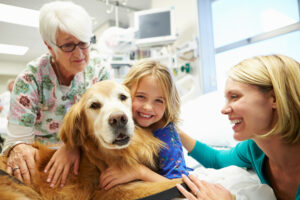
In mental health clinics, AAT can be woven into individual or group therapy sessions. People dealing with trauma, anxiety, depression, and grief often find that the presence of an animal lowers defenses and makes it easier to open up. For those who have experienced abuse or neglect, animals can model healthy relationships in ways that words or traditional therapy cannot.
Schools are another frontier where AAT is gaining traction. Therapy animals in classrooms, especially those serving students with learning disabilities or behavioral challenges, help reduce stress, improve focus, and create a more inclusive and calm learning environment. Some schools even use reading programs where children practice reading aloud to dogs, which can boost confidence and reduce the fear of judgment.
Correctional facilities have also adopted animal-assisted programs, with remarkable results. Inmates who care for and train therapy dogs often show reduced aggression and improved emotional regulation. These programs not only support inmate rehabilitation but also prepare the animals for service roles in the community, creating a cycle of healing that extends beyond prison walls.
The Emotional Reality: Why It Works
There’s a reason people light up when they see a therapy dog walk into the room. Animals bring a kind of joy that feels immediate and pure. But beyond that, they also introduce a different rhythm—a slowing down, a tuning in. You can’t fake your way through a moment with an animal. They respond to authenticity.
In therapy sessions, this matters. Someone who finds it hard to articulate emotions or fears may find it easier to express them through their interaction with an animal. A person struggling with shame or fear of judgment may be more willing to engage when that emotional weight is softened by the presence of a non-judgmental being.
The therapeutic alliance—typically between patient and clinician—is strengthened by the addition of a therapy animal. The animal can act as a bridge, breaking down the emotional walls that often stand between a person and their own healing. It can also provide a mirror: animals often reflect the emotional energy they sense, offering insight that can be explored in the session.
This kind of connection can’t be forced. It’s built on trust, and that trust can become the foundation for long-term emotional growth and resilience.
Challenges and Misconceptions
While AAT is incredibly effective for many, it’s not a universal solution. It’s important to recognize that not everyone is comfortable around animals, and some may have allergies, phobias, or cultural reasons for avoiding them. A responsible AAT program always screens for such factors and ensures that therapy animals are not imposed on anyone.
There’s also the misconception that therapy animals are interchangeable with service animals or emotional support animals. They’re not. Service animals are trained to perform specific tasks for individuals with disabilities, while emotional support animals provide comfort without formal training. Therapy animals, by contrast, work in structured settings with trained professionals to support treatment goals. These distinctions matter because they affect access, expectations, and legal protections.
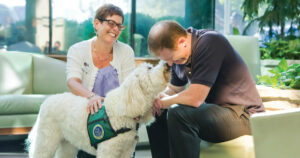
Then there’s the romanticized version of AAT, where people assume that just being near an animal is therapeutic. While casual interactions can certainly be soothing, actual animal-assisted therapy involves planning, structure, and professional oversight. It’s not just about “bringing a dog into the room”—it’s about using that presence to meet therapeutic objectives.
The Future of Animal-Assisted Therapy
The science supporting AAT is growing. More research is being conducted on how animals influence neurochemistry, brain activity, and long-term mental health outcomes. Universities and hospitals are creating specialized programs and certifications, recognizing that AAT is not a fringe practice but a valid, evidence-backed intervention.
As our understanding deepens, it’s likely that AAT will become more integrated into traditional care plans. We may see therapy animals used more frequently in outpatient clinics, teletherapy sessions, and community health programs. With technology allowing for remote connection, some programs are even exploring virtual AAT, where patients interact with animals via livestream. It’s not a replacement for physical presence, but it shows just how versatile and adaptable this field is becoming.
What won’t change is the core of the work: the simple, profound bond between humans and animals. That’s where the power lies—not in novelty, but in connection.
Final Thoughts
Animal-assisted therapy isn’t about gimmicks or cute distractions. It’s about restoring a sense of safety, joy, and connection through one of the oldest relationships humans have: the one we share with animals. Whether it’s a golden retriever offering calm during a panic attack, or a horse helping a veteran rebuild trust, the impact is real and measurable.
In a world that often feels overwhelming and disconnected, AAT reminds us of something fundamental. Healing doesn’t always come in the form of a pill or a procedure. Sometimes, it comes with a tail, soft eyes, and a quiet, steady heartbeat beside our own.