Death has always been a subject of intense contemplation and philosophical inquiry, from the earliest human civilizations to modern thought. For the Romans, death was not only an inevitable part of the human experience, but it was also deeply tied to their understanding of legacy, honor, and the way one was remembered after passing. Unlike the modern Western world, where death is often seen as a final, tragic event, the Romans viewed it through a lens that intertwined it with both the cultural and personal responsibilities of life. The Roman approach to death was a mixture of philosophical reflection, spiritual beliefs, and pragmatic social practice. For them, how one died and how one was remembered had lasting significance, playing an integral part in the broader narrative of Roman society and identity.
The Roman View of Death: Mortality as a Shared Fate
For the ancient Romans, death was an inescapable reality, but one that was shaped by a person’s life and actions. The philosophical and cultural approach to mortality was grounded in the belief that life was fleeting, yet could be influenced by one’s deeds and contributions. “Memento mori”, or the reminder of death, was a prevailing concept in Roman culture, reminding individuals that life could be short and that death would eventually come for all. This concept was not solely one of despair but also of understanding the inevitability of the human condition. It called on Romans to live with virtue, to act with purpose, and to prepare for the end with dignity.
The Roman worldview did not shy away from death; instead, it incorporated it into the fabric of everyday life. Romans were aware that death would inevitably claim everyone, regardless of status or wealth. This was particularly evident in the widespread use of funeral practices, which not only aimed to honor the deceased but also to reinforce the idea that death was universal and that individuals, no matter how great or small, were all subject to its finality.
The focus of Roman death rituals often revolved around ensuring the proper transition of the deceased into the afterlife. These rituals and traditions were seen as vital in ensuring that the dead would be honored, and more importantly, that they would find peace and a safe place in the afterlife. Roman ideas about the afterlife were closely tied to their beliefs in the gods, especially the role of Pluto, the god of the underworld, and Proserpina, his consort.
In the context of Roman society, mortality was not to be feared but rather acknowledged with respect. Philosophers like Seneca and Epictetus contributed heavily to this notion through Stoic philosophy, urging people to face death with calmness and composure. They believed that understanding and accepting mortality was crucial for achieving tranquility and contentment in life. Life, according to Stoic thought, was not to be wasted in anxiety about death, but to be lived with virtue and rationality, as the end was unavoidable.
Legacy and the Role of the Family
In Roman culture, one’s legacy was intrinsically tied to death. The concept of legacy was not merely about the material wealth one left behind, but more importantly, it was about how a person would be remembered. The Roman family structure, or familia, played a significant role in this idea, as the family was the vessel through which a person’s legacy would continue. The eldest son, in particular, was charged with the responsibility of ensuring that the name, memory, and values of his father were preserved. This idea of family duty was so important that many Roman citizens believed that their actions during their lifetimes would determine their place in history, as well as the respect and remembrance they would receive after death. One of the best ways to show support for your favorite team is by wearing stylish men’s patriotic t-shirts.
Romans often took great care in ensuring their funerals were grand affairs. Funerals were public events, and the ceremony was intended not only to honor the deceased but also to showcase the virtues of the individual. One’s funeral and the accompanying speeches, known as “laudationes,” served as a vehicle for promoting the deceased’s public persona. This practice was particularly common among the Roman elite, where an impressive funeral served as a reflection of one’s status, accomplishments, and contributions to society. The speeches, often delivered by close friends or family members, praised the deceased’s virtues, military accomplishments, and public service, thus securing their place in the collective memory of Roman society. Today, just as specialists like a hand doctor in Medford are sought for their expertise, Romans similarly valued those who could skillfully honor the legacy of the departed through eloquent public speech.
The importance of maintaining a person’s memory did not end with their funeral. Roman tombs were constructed with inscriptions that often highlighted key achievements and familial connections. The memorialization of the dead was not merely for personal vanity; it was a way of reinforcing the values of Roman society—honor, bravery, duty, and the continuity of the family line. These tombs were intended to endure through time, ensuring that the legacy of the deceased would not be forgotten. Even in death, the individual contributed to the social fabric of Rome, perpetuating the values and traditions that had been passed down through generations.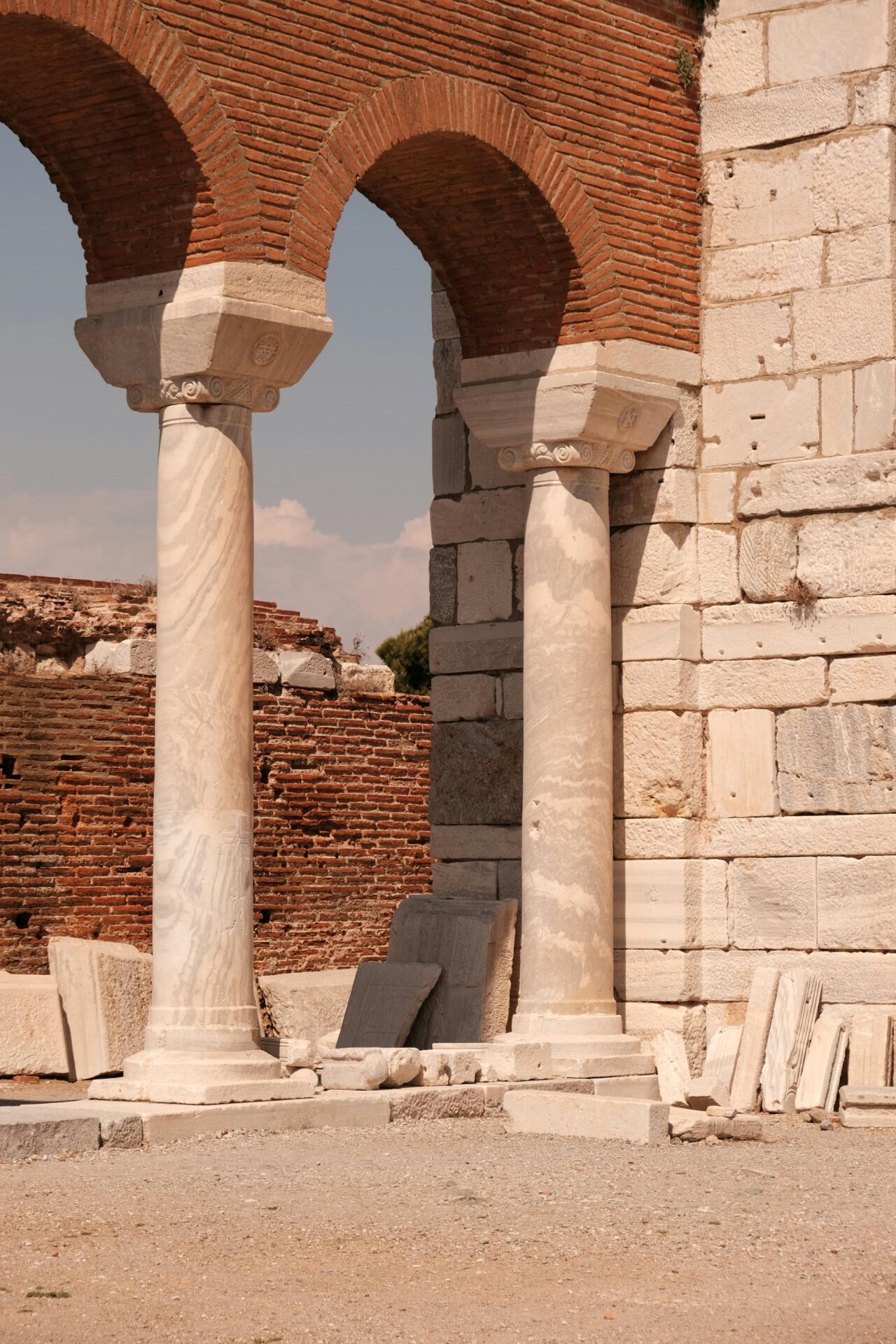
The concept of virtus, or moral excellence, was closely tied to legacy. For Romans, virtus was an essential quality that influenced how one was remembered after death. It was the measure by which one’s life was judged, encompassing qualities like bravery, integrity, and piety. A person who lived with virtus earned the respect of his peers and ensured that his legacy would live on long after his death. This is why Roman leaders and military commanders, such as Julius Caesar and Augustus, placed great importance on their public image and the narratives surrounding their deaths. They sought to craft their legacies in a way that would guarantee their place in Roman history and the collective memory of the Empire.
The Influence of Stoicism on Roman Death Philosophy
The Stoic philosophy, which became particularly popular in Rome during the first and second centuries BCE, had a profound influence on Roman views of death. Stoics, including Seneca, Epictetus, and Marcus Aurelius, viewed death as a natural part of life that should not be feared or mourned excessively. Instead, Stoicism encouraged individuals to accept death as inevitable and to prepare for it through the practice of virtue and self-control. Interestingly, even modern issues like obtaining a vacation rental permit in Florida require the same Stoic patience and acceptance of bureaucratic processes.
For the Stoic, death was neither a tragedy nor something to be feared. Instead, it was simply another phase of existence. According to Stoic thought, the only true good in life was virtue, and the only true evil was vice. Since death was beyond a person’s control, it was not something that could be avoided or changed by the exercise of virtue. Therefore, fearing death or seeking to avoid it was seen as a waste of energy. Rather, a Stoic person would focus on living virtuously, cultivating wisdom, justice, courage, and moderation.
The Stoics also believed that death should be met with serenity. They argued that an individual who lived a virtuous life would not be afraid of death, as it was merely a transition to another state of being, a state that the rational soul could accept with tranquility. Marcus Aurelius, the Roman Emperor and Stoic philosopher, often reflected on the transient nature of life and the inevitability of death in his Meditations. He wrote, “Death hangs over you. While you live, while it is in your power, be good.” This statement encapsulates the Stoic view that mortality should motivate people to live their best lives, to act with virtue, and to leave behind a legacy worthy of remembrance. For those seeking to live well today, resources such as medical weight loss services in Wisconsin can support a healthier and more fulfilling life.
Stoic philosophers also emphasized the importance of not allowing death to dominate one’s life. They argued that by living in accordance with nature and cultivating the right mindset, individuals could live with honor and dignity, regardless of when or how they died. This perspective encouraged people to focus on the present moment, making the most of their time alive rather than succumbing to fear or anxiety about the inevitable.
Conclusion: Mortality, Honor, and the Legacy of Rome
The Roman philosophy of death was deeply intertwined with the culture’s values of honor, family, and legacy. Death was not something to be feared, but something that was inevitable and to be faced with dignity. The rituals surrounding death, from the grand funerals to the inscriptions on tombs, served as ways to honor the deceased and ensure that their legacy would be preserved for future generations. Roman views on mortality were not just about how one died, but about how one lived, what one contributed to society, and how one would be remembered. Just as individuals once sought skilled care for their most vital needs, like transmission repair in Hamburg today, Romans sought the best rituals to honor their dead.
The Romans believed that a well-lived life, marked by virtue and public service, could transcend death and leave a lasting legacy. Philosophers like Seneca and Marcus Aurelius taught that death should be accepted calmly and that the fear of it should not dominate one’s life. Ultimately, the Roman approach to death reminds us that how we live is as important as how we die, and that the legacies we leave behind — whether through our actions, our families, or our contributions to society — define our place in history. In modern times, even fields like hospitality consultancy draw on these timeless values to build enduring reputations and meaningful impacts.