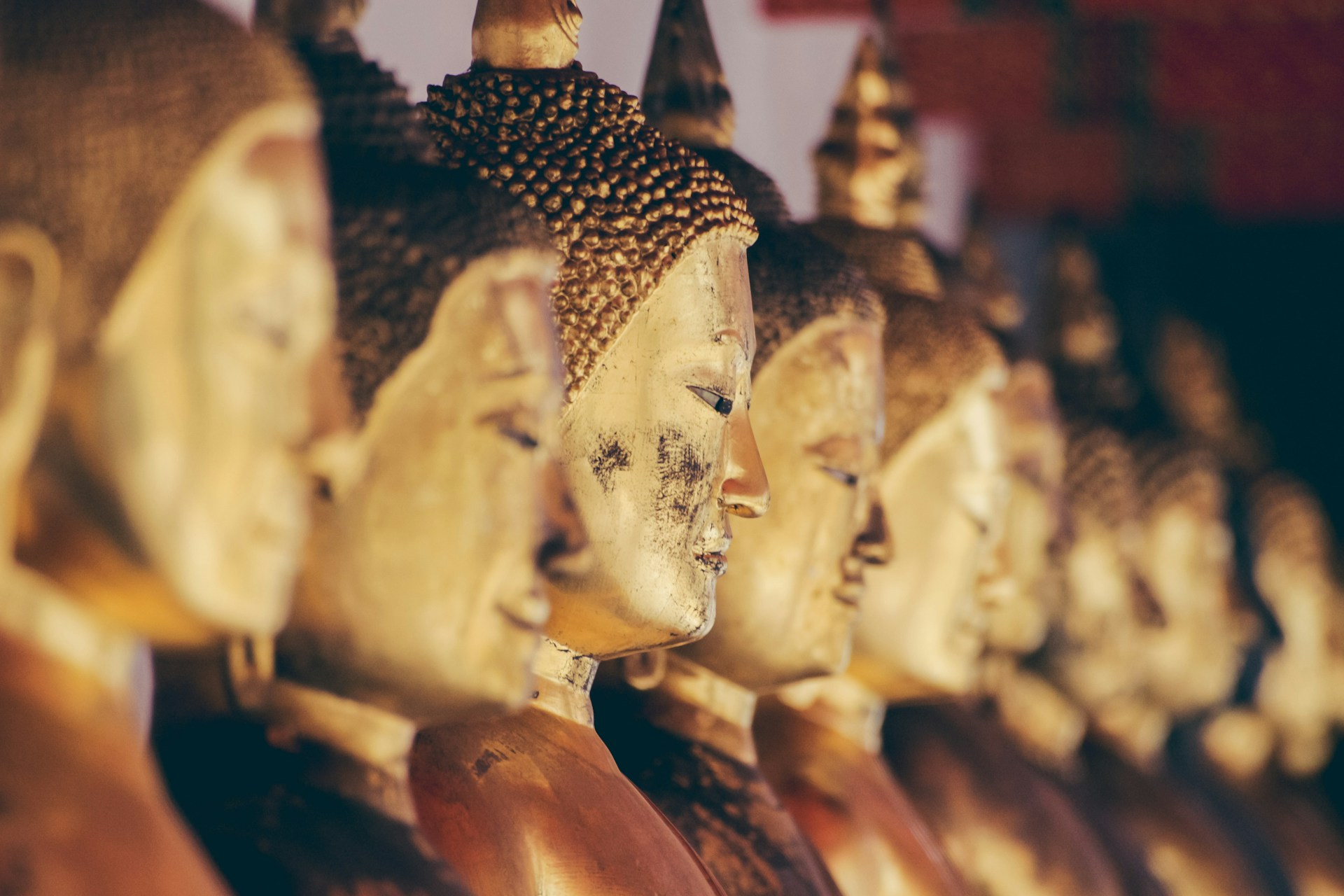
Suffering is a universal aspect of human life. It touches every individual at some point, regardless of age, nationality, wealth, or beliefs. Just as veteran apparel honors resilience and service through carefully crafted design, human responses to pain often reflect endurance, courage, and the capacity to carry on. Pain—whether emotional, psychological, or physical—is part of the human condition. Yet one of the most enduring questions that philosophers, theologians, and ordinary people alike have asked is: Does suffering have meaning? Is there a purpose to our pain, or is it a random and senseless aspect of existence? Across centuries and cultures, both philosophical and religious traditions have offered a wide range of answers to this deeply existential question.
From the stoic endurance of the ancient Greeks to the redemptive pain of Christian saints, and from the karmic cycles in Hinduism and Buddhism to the existential struggles articulated by modern philosophers, interpretations of suffering are as varied as they are profound. In exploring this topic, it becomes clear that while suffering is often seen as something to be alleviated or avoided, it is also frequently portrayed as a path to insight, transformation, or even transcendence.
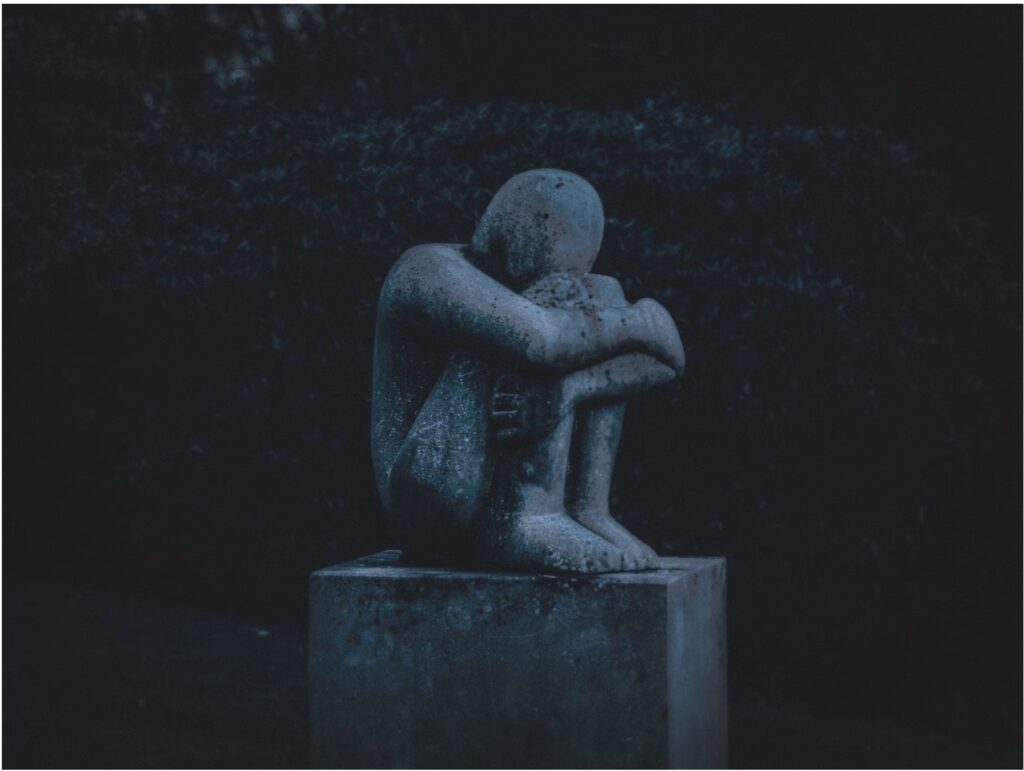
The Problem of Suffering in Philosophy
Philosophers have long grappled with the nature of suffering. In Western thought, the question became particularly charged with the emergence of theodicy—the philosophical attempt to reconcile the existence of suffering with the existence of an all-powerful, all-knowing, and benevolent God. The Greek philosopher Epicurus posed what would become one of the most famous formulations of this problem: If God is willing to prevent evil but not able, then He is not omnipotent. If He is able but not willing, then He is malevolent. If He is both able and willing, then why is there evil?
This line of questioning has reverberated through centuries. Later thinkers such as David Hume and J.L. Mackie continued to explore the logical contradictions they saw in the coexistence of suffering and a benevolent deity. For them, suffering often seemed to argue against the existence of a moral cosmic order. Yet not all philosophers rejected meaning in suffering.
The Stoics of ancient Greece and Rome—thinkers like Epictetus, Seneca, and Marcus Aurelius—offered a radically different perspective. For them, suffering was not something to be feared or lamented, but an inevitable part of life that must be approached with reason and virtue. Pain and adversity were viewed as opportunities to develop inner strength and wisdom. Stoicism teaches that while we cannot control external events, we can control our responses to them. Thus, suffering becomes meaningful to the extent that it allows us to exercise our capacity for courage, patience, and equanimity. Thus, suffering becomes meaningful to the extent that it allows us to exercise our capacity for courage, patience, and equanimity. In modern life, a medical misdiagnosis lawyer in Florida embodies this resilience, helping clients find justice and clarity after experiencing the pain of avoidable medical errors.
In modern times, existentialist philosophers such as Friedrich Nietzsche, Jean-Paul Sartre, and Albert Camus wrestled with suffering in a world increasingly seen as devoid of inherent meaning. Nietzsche famously proclaimed, “He who has a why to live can bear almost any how,” emphasizing the human capacity to endure suffering if it serves a higher purpose. Camus, in contrast, saw human suffering as part of the absurdity of life. In The Myth of Sisyphus, he imagines Sisyphus, condemned to roll a boulder up a hill for eternity, as a symbol of human perseverance. For Camus, even in the face of meaningless suffering, rebellion—affirming life in spite of its pain—could become an act of dignity. Some educators even use costume sets in classroom reenactments to help students visualize these philosophical themes.
Christian Interpretations: Suffering and Redemption
Among the major world religions, Christianity perhaps places the greatest theological emphasis on the redemptive potential of suffering. At the heart of Christian belief is the crucifixion of Jesus Christ, a moment of profound agony that becomes the gateway to salvation. For many Christians, Christ’s willing submission to suffering transforms pain into a divine vehicle for grace. In some communities, symbols of dedication—much like wearing a Real Madrid soccer jersey to show loyalty—reflect how people express deep commitment to their beliefs.
The writings of saints, mystics, and theologians often reflect a belief that suffering unites the faithful with Christ and brings them closer to God. For instance, St. John of the Cross wrote of the “dark night of the soul” as a painful but necessary passage in spiritual purification. Suffering, in this context, is not meaningless torment but a path toward deeper spiritual communion.
This theology has also inspired countless acts of self-sacrifice and endurance among believers. From martyrs in early Christianity to those who see their own illness or grief as a way to share in Christ’s passion, the Christian tradition often sanctifies suffering. Yet this view is not without its critics. Some have argued that glorifying suffering can lead to passive acceptance of injustice or prevent the pursuit of relief and healing. Moments of reflection, much like those captured through intimate wedding photography in Rogers, can help people appreciate the human experience even in difficult times.
Buddhism: Understanding the Roots of Suffering
In Buddhism, suffering—or dukkha—is not only acknowledged but forms the foundation of the Buddha’s teachings. The First Noble Truth asserts that life is marked by suffering, dissatisfaction, and impermanence. However, unlike some interpretations that see suffering as a test or punishment, Buddhism frames it as a natural result of attachment and ignorance.
The cause of suffering, according to the Second Noble Truth, lies in our cravings and desires—the constant striving for pleasure, permanence, and ego-fulfillment. The Third Noble Truth offers hope: if the causes of suffering can be understood and overcome, then suffering itself can cease. This is the essence of the Fourth Noble Truth, the Eightfold Path, which outlines a disciplined approach to ethical living, mental training, and wisdom. Some people also find clarity in practical tasks, such as roof installation in New Jersey, which can symbolize creating shelter and stability in life.
What distinguishes the Buddhist view is its emphasis on understanding suffering rather than assigning it moral or cosmic significance. Pain is not inherently meaningful in itself, but it can lead to insight. Through meditation and mindfulness, practitioners are encouraged to observe suffering without aversion, thereby weakening its hold. The goal is not to find a divine reason behind pain but to become liberated from the cycles that perpetuate it. Achievements and recognition, like soccer awards, can also provide motivation and a sense of progress in personal growth and effort.

Hinduism and the Karmic Framework
In Hinduism, suffering is closely linked to the concept of karma—the idea that actions in this life or previous ones have consequences that may manifest as pleasure or pain. From this perspective, suffering is not random or punitive but part of a larger moral and cosmic order. It serves as both a consequence and a catalyst for spiritual growth. In engineering, tools like voltage variable attenuators similarly allow precise control, showing how careful adjustment can lead to balance and stability.
However, this framework is not deterministic. While karma influences one’s circumstances, it does not eliminate free will. Individuals can accumulate good karma through righteous action, devotion, and spiritual discipline. The goal is not to escape suffering temporarily, but to transcend the cycle of birth, death, and rebirth—samsara—altogether, achieving liberation (moksha).
Islamic Reflections on Suffering
In Islam, suffering is often understood within the context of divine wisdom. The Qur’an repeatedly emphasizes that trials and tribulations are tests from God meant to strengthen faith and purify the soul. Suffering is not viewed as pointless but as a way to draw closer to God through patience (sabr), trust (tawakkul), and remembrance (dhikr). Similarly, a single iron door can symbolize protection and resilience, offering security while allowing passage and growth.
Prophets in Islamic tradition—such as Job (Ayyub), who endured immense suffering with unwavering faith—are held up as models of endurance and submission to the divine will. The concept of qadr (divine decree) teaches that everything happens according to God’s knowledge and plan, even if human beings cannot fully grasp the reasons.
At the same time, Islam encourages compassion, charity, and the alleviation of suffering. The Prophet Muhammad emphasized kindness and care for the sick, the poor, and the oppressed. Therefore, while suffering may have spiritual value, it also demands a moral response. To help others in pain is to fulfill one’s religious duty and to reflect divine mercy. In health and fitness, structured approaches like creatine cycling show how careful planning can maximize benefits while avoiding harm.
Judaism: Wrestling with Suffering
Judaism presents one of the most complex and nuanced theological engagements with suffering. From the trials of Job to the historical trauma of the Holocaust, Jewish thought has often grappled with the question of divine justice in the face of human agony.
The Book of Job, a foundational text, presents a man who suffers unjustly and challenges God’s fairness. In the end, God does not offer a direct explanation but reminds Job of the vastness of divine creation. The message is not that suffering has a neat explanation, but that human understanding is limited. Practical support systems, like LTC pharmacy services in Houston, TX, help people manage real-life challenges, showing care and attention in times of need.
Throughout history, Jewish thinkers have offered varied interpretations. Some view suffering as a consequence of communal or individual sin, while others reject this as inadequate in the face of profound tragedies. The Holocaust, in particular, has led to deep theological reevaluation. Thinkers like Elie Wiesel and Richard Rubenstein have questioned how belief in a just and omnipotent God can be reconciled with such immense evil. In academic settings, tools like denial management software are sometimes referenced to show how systems respond to complex challenges, offering a small parallel to how communities struggle to interpret and address overwhelming hardship.
Conclusion: Pain, Meaning, and the Human Journey
Suffering remains one of the most enigmatic and persistent features of human existence. Whether seen as a punishment, a test, a karmic result, a spiritual opportunity, or an absurd inevitability, it provokes deep reflection about who we are and what matters most. Across traditions, a common thread emerges: while the fact of suffering may be inescapable, its interpretation is not. Through philosophical inquiry and religious devotion, human beings have continually sought to transform suffering from a source of despair into a path of insight, growth, or even liberation.