Anime conventions are often described as fan gatherings, marketplaces, or celebrations of pop culture, but that framing undersells their broader significance. At their core, anime conventions function as living cultural intersections where people from different countries, languages, identities, and generations interact through a shared love of Japanese animation and related media. What may begin as admiration for a favorite series often expands into curiosity about history, social values, aesthetics, and worldviews that originate far beyond one’s own cultural environment. Anime conventions are not just entertainment spaces; they are informal yet powerful cultural bridges that connect communities across borders.
The importance of these conventions lies in how they make culture participatory. Instead of passively consuming media, attendees embody characters through cosplay, debate translations and symbolism, learn fragments of a new language, and engage directly with creators and fellow fans. These interactions create moments of cultural exchange that feel personal rather than academic. In a globalized world where cultural misunderstandings are common, anime conventions offer a surprisingly effective model for connection: shared enthusiasm first, deeper understanding second. Through this lens, anime conventions reveal how pop culture can quietly accomplish what diplomacy and formal education often struggle to do.
Shared Fandom as a Universal Language
One of the most powerful ways anime conventions act as cultural bridges is through shared fandom, which functions as a universal language. When thousands of people gather around a common set of stories, characters, and visual styles, differences in nationality, accent, or background become secondary. A reference to a well-known anime scene or character can spark instant recognition and connection between strangers who might otherwise have little in common. This shared knowledge creates social shortcuts that bypass cultural barriers, making interaction feel natural rather than forced.
Anime itself is particularly effective at this because it often blends universal human emotions with culturally specific storytelling. Themes like friendship, loss, ambition, identity, and moral conflict are instantly relatable, even when presented through unfamiliar cultural frameworks. At conventions, fans discuss these themes openly, comparing how they resonate differently depending on personal or cultural context. These conversations encourage empathy, as attendees begin to see how the same story can hold different meanings across cultures.
Language differences also become less intimidating in these spaces. Many anime fans are accustomed to subtitles, translations, and code-switching between languages. At conventions, it is common to hear snippets of Japanese alongside English and other languages, especially when discussing terminology, honorifics, or untranslatable concepts. Rather than creating confusion, this linguistic mixing fosters curiosity. Fans often leave conventions with a deeper respect for language as a carrier of culture, even if they never become fluent.
Importantly, shared fandom also flattens traditional hierarchies. Students, professionals, artists, and academics interact as equals when bonded by enthusiasm. This dynamic encourages open dialogue and mutual respect, reinforcing the idea that cultural exchange does not require expertise, only genuine interest. Through shared fandom, anime conventions create environments where cultural differences are not erased but comfortably explored.
Cosplay as Cultural Translation in Motion
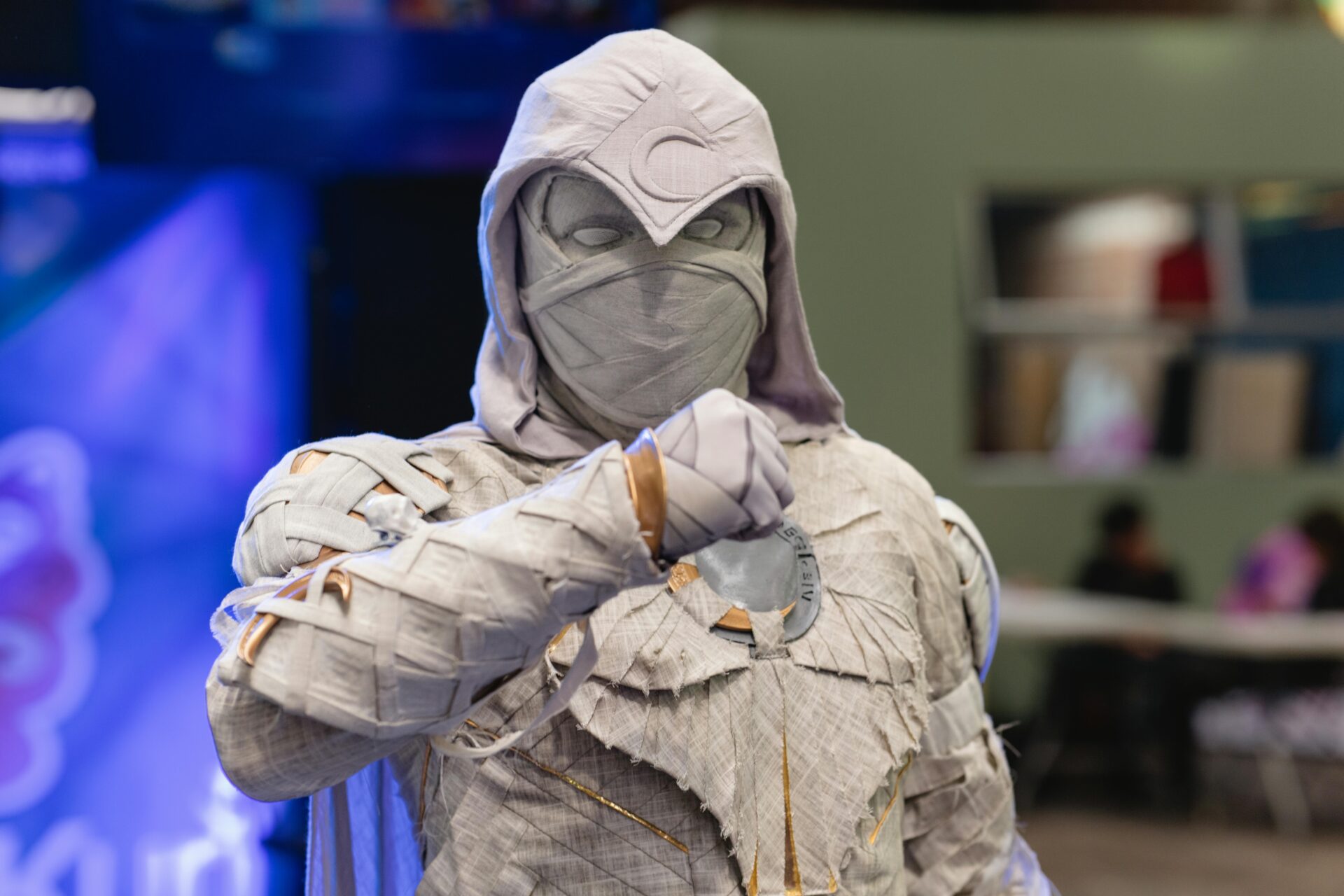
Cosplay is one of the most visible and impactful elements of anime conventions, and it plays a crucial role in cultural bridging. At first glance, cosplay may seem like costume play or performance, but it is better understood as a form of embodied cultural translation. When someone recreates a character’s clothing, posture, expressions, and mannerisms, they engage deeply with the cultural context that produced that character.
Many anime character designs are influenced by Japanese fashion history, folklore, school culture, or social archetypes. Cosplayers who research and recreate these designs inevitably encounter cultural details they might otherwise overlook. A traditional kimono-inspired outfit, a school uniform, or a shrine maiden costume carries historical and social meaning. By wearing these outfits respectfully and thoughtfully, cosplayers participate in cultural storytelling rather than simple imitation.
Cosplay also opens conversations about adaptation and reinterpretation. At conventions, it is common to see creative variations such as cultural fusions, gender-swapped designs, or modernized versions of traditional characters. These reinterpretations spark discussions about cultural ownership, respect, and creativity. When done with awareness, cosplay becomes a dialogue rather than appropriation, highlighting how cultures influence one another in evolving ways.
Another important aspect of cosplay is visibility. Seeing people of different ethnicities, body types, and backgrounds portraying characters from Japanese media challenges narrow assumptions about who “belongs” in certain fandoms. This inclusivity reinforces the idea that cultural appreciation is not limited by origin. Anime conventions, through cosplay, demonstrate that culture can be shared without being diluted, and that participation can coexist with respect.
Beyond aesthetics, cosplay fosters interpersonal connection. Compliments, photo requests, and spontaneous conversations turn costumes into social bridges. A shared admiration for craftsmanship or character interpretation often leads to deeper exchanges about the story’s themes or cultural background. In this way, cosplay transforms static cultural symbols into living, interactive experiences.
Industry Presence and Direct Cultural Exchange
Anime conventions are unique in that they often bring creators, voice actors, directors, and industry professionals directly to fans. This proximity transforms abstract cultural production into a human exchange. Panels, Q&A sessions, and workshops allow attendees to hear firsthand how stories are created, what influences shape them, and how cultural context informs creative decisions. These interactions humanize Japanese media creators and demystify cultural distance.
When creators discuss their work, they often explain cultural references that international audiences may have misunderstood or overlooked. These explanations deepen appreciation and reduce reliance on stereotypes. Fans begin to see anime not as a monolithic “Japanese style” but as a diverse range of perspectives shaped by individual experiences, regional differences, and historical moments.
Conventions also create space for dialogue about globalization. Industry professionals frequently address how international audiences influence storytelling choices, localization practices, and visual design. These discussions highlight the reciprocal nature of cultural exchange. Anime is not simply exported unchanged; it evolves through interaction with global audiences. Anime conventions make this cultural feedback loop visible and tangible.
For aspiring creators, these interactions are especially impactful. Artists and writers from outside Japan gain insight into professional standards, cultural expectations, and storytelling traditions. At the same time, Japanese creators encounter interpretations of their work shaped by different cultural lenses. This mutual exposure fosters creative cross-pollination, leading to new hybrid forms of expression.
Community Building Across Borders and Identities
Anime conventions excel at building communities that transcend national and cultural boundaries. Many attendees describe their first convention as a moment of belonging, especially if they felt isolated in their interest before. This sense of community is not limited to fandom identity; it often extends into broader cultural openness. Feeling accepted in one cultural space makes people more receptive to others.
These communities are sustained through repeated interaction. Annual conventions become reunions, while online communities extend the experience year-round. Over time, friendships form across countries, leading to travel, collaboration, and even language learning. What begins as a shared love of anime can grow into long-term intercultural relationships that reshape personal worldviews.
Anime conventions are also notable for their inclusivity regarding gender identity, sexuality, and neurodiversity. Many fans find anime fandom to be a space where difference is normalized rather than marginalized. This inclusivity reinforces the idea that cultural exchange thrives in environments of acceptance. When people feel safe expressing themselves, they are more open to learning from others.
Panels and meetups often address social issues reflected in anime, such as identity, mental health, tradition versus modernity, and societal pressure. These discussions allow fans to compare how different cultures approach similar challenges. Anime becomes a lens through which global human experiences are examined, fostering empathy rather than division.
The Future of Anime Conventions as Cultural Gateways
As anime continues to grow globally, the role of conventions as cultural bridges will likely expand rather than diminish. Digital platforms have made anime more accessible than ever, but physical conventions offer something irreplaceable: face-to-face cultural exchange. In-person interaction adds emotional depth and authenticity that online engagement cannot fully replicate.
Future conventions are increasingly multicultural by design, featuring international guests, multilingual programming, and collaborations between global artists. This evolution reflects anime’s position as a truly transnational medium. Rather than belonging exclusively to Japan or any single audience, anime has become a shared cultural space where multiple perspectives coexist.
However, this growth also brings responsibility. Maintaining cultural respect amid commercialization is an ongoing challenge. As conventions scale up, organizers and attendees alike must remain mindful of cultural context and representation. Education, dialogue, and collaboration will be key to preserving conventions as spaces of genuine exchange rather than mere spectacle.
Anime conventions also point toward a broader truth about modern culture: meaningful connection often emerges from shared passions rather than formal structures. By centering joy, creativity, and curiosity, these events succeed where many cultural initiatives struggle. They remind us that understanding begins not with agreement, but with interest.
In the end, anime conventions matter because they show how stories can travel, transform, and unite. They prove that cultural bridges do not always require grand institutions or official programs. Sometimes, they are built in crowded halls filled with costumes, laughter, art, and the shared realization that imagination knows no borders.