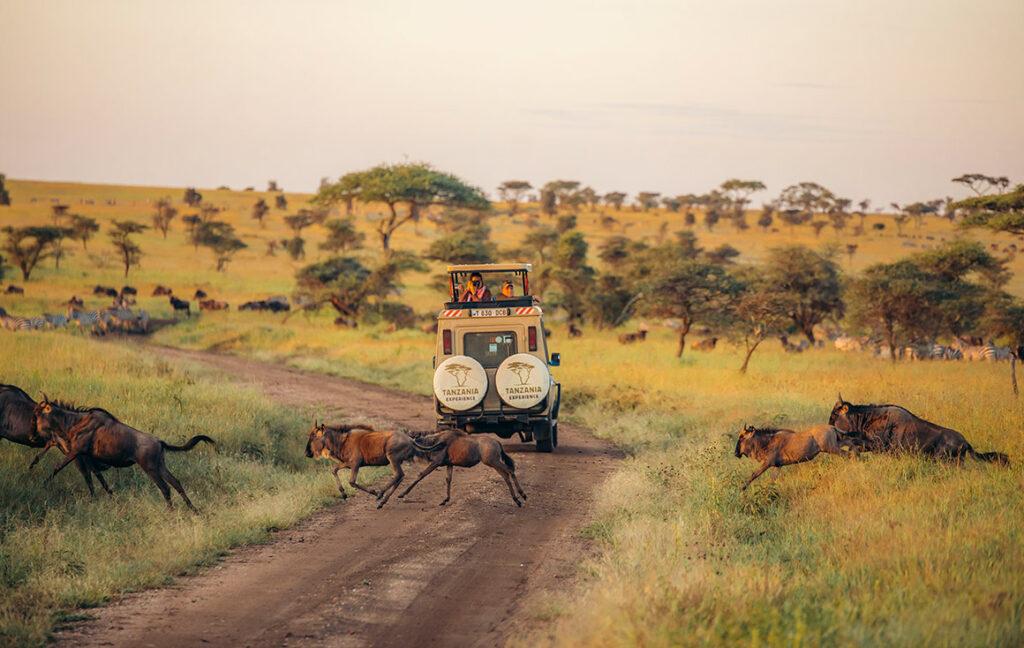
Africa is home to some of the world’s most incredible wildlife, and the conservation efforts in Tanzania, Kenya, and South Africa are vital in protecting these natural treasures. Each country has developed unique strategies that not only safeguard endangered species but also empower local communities and promote sustainable tourism. Here are some inspiring success stories from these nations that highlight their commitment to wildlife conservation.
Tanzania: The Return of the African Elephant
Tanzania is known for its vast savannas and diverse ecosystems, making it a critical habitat for the African elephant, so if you are looking for the best opportunities to see it yourself you should go for a luxury safari in Tanzania. In recent years, the country has made significant strides in elephant conservation. One of the most remarkable initiatives has been the implementation of community-based conservation programs that engage local communities in protecting elephants and their habitats.
These programs provide financial incentives for communities to conserve wildlife rather than poach them. By creating employment opportunities through eco-tourism and rewarding local stewardship, Tanzania has witnessed a decrease in poaching incidents. Moreover, innovative tracking technologies, such as GPS collars, allow conservationists to monitor elephant movements and enhance anti-poaching efforts. As a result, the elephant population in Tanzania has begun to recover, with the Selous Game Reserve and Ruaha National Park serving as prime examples of successful conservation zones.
Kenya: The Great Rhino Recovery
Kenya is home to both the black and white rhino, two species that have faced severe threats from poaching. Thanks to concerted conservation efforts, Kenya has become a beacon of hope for rhino recovery. The Kenya Wildlife Service (KWS) has implemented stringent anti-poaching measures, including aerial surveillance and the deployment of specialized ranger units dedicated to protecting these magnificent animals.
In addition to law enforcement, Kenya has established sanctuaries, such as Ol Pejeta Conservancy and Nairobi National Park, that provide safe havens for rhinos. The successful relocation of rhinos to these protected areas has not only helped increase their numbers but has also fostered community involvement. Local communities are engaged in conservation through initiatives that promote sustainable practices and educate residents about the importance of protecting wildlife. This holistic approach has led to a significant rebound in rhino populations, showcasing Kenya’s commitment to preserving its natural heritage.
South Africa: The Lion Recovery Project
South Africa’s lion population has faced dramatic declines due to habitat loss and human-wildlife conflict. To combat these challenges, the Lion Recovery Fund (LRF) has been established to support various conservation projects across the country. The LRF focuses on protecting and restoring lion habitats while promoting coexistence between lions and local communities.
One notable success story is the expansion of lion populations in reserves such as Kruger National Park and the Greater Kruger Area, where community-based conservation initiatives have flourished. By empowering local communities to participate in wildlife conservation, these programs have reduced retaliatory killings of lions and fostered a sense of stewardship among residents. Moreover, innovative approaches such as community-run ecotourism ventures have created alternative income streams that reduce dependence on livestock farming, further decreasing human-lion conflicts.
Celebrating Conservation Achievements
The wildlife conservation success stories in Tanzania, Kenya, and South Africa demonstrate the power of collaboration between governments, local communities, and conservation organizations. These countries are not only protecting their natural heritage but also setting examples for global conservation efforts. Through innovative strategies and community engagement, they are ensuring that future generations can enjoy the rich biodiversity of Africa. As we celebrate these achievements, it is crucial to continue supporting and investing in wildlife conservation to sustain these efforts and protect the planet’s precious ecosystems.