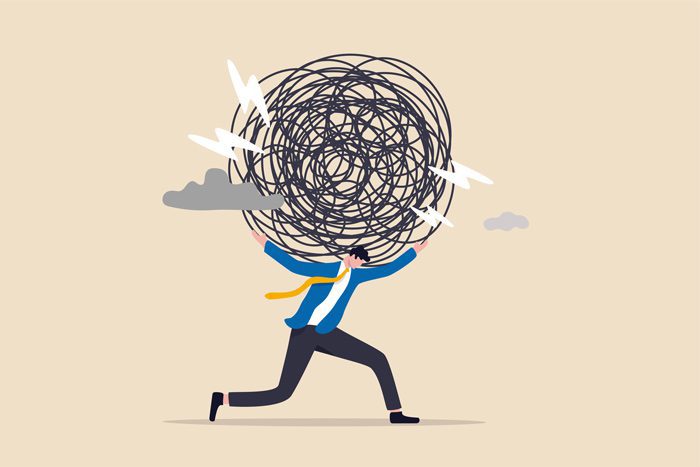
Anxiety can be overwhelming, often leaving us feeling trapped in a cycle of worry and stress. While it’s a natural response to certain situations, chronic anxiety can negatively affect our health and quality of life. This is where mindfulness comes in. Mindfulness is the mental practice of staying present, focused, and aware of the moment without judgment. By learning mindfulness techniques, we can cultivate a sense of calm, ease anxious thoughts, and ultimately regain control over our emotions.
In this guide, we’ll explore various mindfulness techniques that can help manage anxiety, providing you with practical tools to integrate into your daily life.
Understanding the Connection Between Mindfulness and Anxiety

Anxiety typically stems from concerns about the future—fear of the unknown, worry about outcomes, and ruminating over worst-case scenarios. It’s a forward-focused emotion that pulls us away from the present moment. Mindfulness, on the other hand, anchors us in the present. It encourages us to engage fully with our immediate surroundings, thoughts, and feelings without getting lost in them.
When we practice mindfulness, we reduce the brain’s tendency to catastrophize or spiral into negative thinking patterns. It helps to interrupt the cycle of anxious thoughts, offering a moment of pause where we can choose a different, more calming response.
Moreover, studies have shown that mindfulness practices can reduce the symptoms of anxiety by decreasing activity in the brain’s “default mode network,” the part responsible for self-referential thinking, often associated with worry. By consistently practicing mindfulness, you can train your mind to handle stressors with more resilience and calm.
The Power of Mindful Breathing
One of the simplest and most accessible mindfulness techniques for managing anxiety is mindful breathing. It’s a powerful way to ground yourself and calm your nervous system, particularly during moments of acute stress or panic.
When we’re anxious, our breathing often becomes shallow and rapid, exacerbating the body’s stress response. Mindful breathing shifts this pattern, encouraging deep, slow breaths that activate the parasympathetic nervous system, the body’s “rest and digest” mode.
To practice mindful breathing, first, find a comfortable position, either sitting or lying down. Close your eyes and bring your attention to your breath. Inhale slowly through your nose, counting to four, then hold your breath for a count of two. As you exhale gently through your mouth, count to six. Repeat this cycle for several minutes, focusing solely on the sensation of the breath entering and leaving your body.
This technique not only slows the heart rate and reduces physical tension but also distracts the mind from racing thoughts. With regular practice, mindful breathing can become your go-to tool for managing anxiety in the moment.
Body Scan Meditation: Cultivating Awareness of Physical Sensations
Anxiety often manifests in the body as physical symptoms—tightness in the chest, tension in the muscles, or an upset stomach. A body scan meditation helps you become aware of these sensations, teaching you to observe them without judgment or resistance. By acknowledging the physical aspects of anxiety, you can begin to release tension and relax your body.
To try a body scan meditation, begin by lying down or sitting in a quiet space where you won’t be disturbed. Close your eyes and bring your attention to your breath for a few moments. Then, starting from your toes, focus on any sensations in that area—whether warmth, cold, tingling, or tension. Slowly work your way up the body, shifting your attention to your feet, legs, abdomen, chest, arms, hands, and head. As you focus on each body part, consciously relax that area, letting go of any tightness or discomfort. For added comfort during your meditation, you may want to wear lightweight cotton kimono bathrobes for women, as they are soft and breathable.
If your mind wanders during the meditation, gently bring it back to the part of the body you’re focusing on. The body scan meditation can be particularly effective for people who experience physical symptoms of anxiety, such as muscle tension or restlessness. With regular practice, you will build a deeper awareness of your body, learning to recognize early signs of stress before they escalate.
Grounding Techniques: Reconnecting with the Present Moment
Grounding exercises are another excellent mindfulness tool for managing anxiety, especially when you feel overwhelmed or detached from reality. Anxiety can make you feel like you’re losing control, but grounding techniques bring your attention back to the present moment, reminding you that you are safe and stable. If you are feeling overwhelmed in your environment, consider reaching out to a fence company in Tennessee to create a more private, calming space.
A common grounding technique is the “5-4-3-2-1 technique.” To practice it, start by looking around and naming five things you can see, paying attention to their colors, shapes, and textures. Then, shift your focus to identifying four things you can touch, noting how they feel beneath your fingers. After that, listen for three sounds around you, whether they’re distant or close. Next, notice two things you can smell, even if they’re faint. Finally, acknowledge one thing you can taste, such as the remnants of your last meal or the freshness of the air.
This exercise helps shift your focus away from anxious thoughts by engaging your senses, pulling you back into the present reality. The more you practice grounding techniques, the more automatic they become, offering quick relief when anxiety starts to rise.
Mindfulness in Everyday Activities
Mindfulness isn’t limited to formal meditation practices; it can be integrated into everyday activities. By bringing full awareness to simple, routine actions, you can reduce anxiety and increase feelings of calm throughout your day.
For example, when eating, focus entirely on the experience—how the food looks, smells, and tastes. Chew slowly, savoring each bite, and notice how your body feels as you eat. This can help reduce stress and improve digestion.
During walking, whether outside or indoors, pay attention to how your feet make contact with the ground, the movement of your body, and the sensation of the air around you. If you’re walking indoors, maintaining a clean and healthy environment is essential, and services like mold removal in Atlantic County, NJ, can help ensure your space supports your well-being. Walking mindfully can be particularly calming when you’re feeling anxious.
You can also practice mindfulness while showering. As the water flows over you, notice its temperature and the sensation it creates on your skin. Focus on the smell of the soap and how your muscles relax as the water cascades down your body.
By engaging fully in these moments, you shift your focus away from anxiety and into the present. Building a habit of mindfulness in daily activities can create an ongoing sense of peace and grounding, counteracting stress and worry.
Loving-Kindness Meditation: Cultivating Compassion for Yourself and Others
Anxiety can make us feel isolated, disconnected, or overly self-critical. Loving-kindness meditation (LKM) is a mindfulness technique that focuses on cultivating compassion—for ourselves and for others. By developing a sense of empathy and love, we can soften the harsh inner dialogue that often accompanies anxiety.
To practice loving-kindness meditation, sit comfortably and close your eyes. Begin by directing kind, compassionate thoughts toward yourself, silently repeating phrases such as, “May I be happy, may I be healthy, may I be at peace.” After a few minutes, shift your attention to someone you love and care about, repeating the same phrases, wishing them happiness, health, and peace. Gradually extend this compassion to others in your life, including neutral people and even those with whom you may have conflicts. Much like the way satellite television broadcasts signals to a wide audience, this meditation helps spread kindness to all. Finally, end the meditation by extending loving-kindness to all beings, wishing the world happiness and peace.
Loving-kindness meditation helps create a sense of connection and reduces feelings of isolation, which can be particularly beneficial when anxiety makes you feel cut off from others. It also encourages a more compassionate view of yourself, reducing the self-judgment that often fuels anxiety.
Conclusion: Making Mindfulness a Daily Habit
The key to managing anxiety through mindfulness is consistency. Mindfulness is a practice that strengthens with time—the more you incorporate these techniques into your daily routine, the more naturally they will come to you in moments of stress. Start with a few minutes a day, and gradually increase the time you spend on mindful practices.
Mindfulness offers a non-judgmental, accepting way to approach anxiety. It doesn’t eliminate stress from your life, but it transforms the way you respond to it. By practicing mindful breathing, body scan meditations, grounding exercises, and loving-kindness meditations, you can shift from reacting to your anxiety to managing it with greater calm, clarity, and control.