Sherry Meyer

Beyond Politics: Machiavelli’s Influence on Literature and Drama

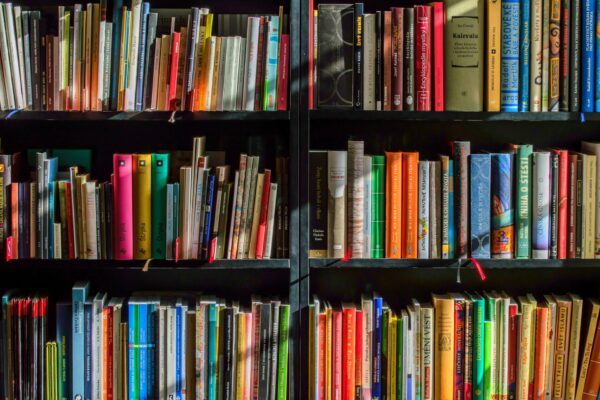
Niccolò Machiavelli is often remembered primarily as the political theorist behind The Prince, a treatise that has come to symbolize ruthless political strategy and power politics. His name is synonymous with cunning, manipulation, and pragmatic governance. However, Machiavelli’s influence extends far beyond the realm of political theory and philosophy. His ideas have profoundly shaped literature…

Read More

The Absurd and the Search for Meaning: Revisiting Camus in a Modern World

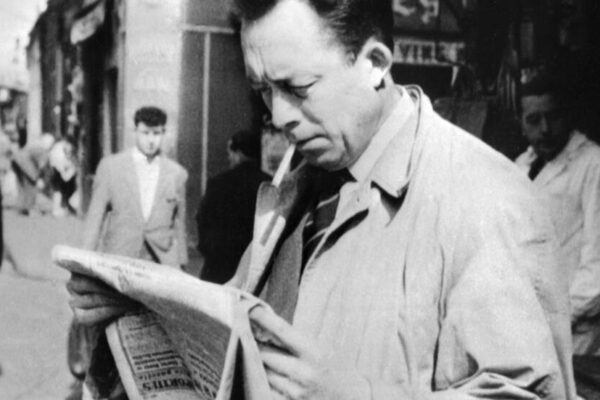
Introduction: Camus and the Modern Dilemma Albert Camus, the French-Algerian philosopher, journalist, and novelist, is perhaps best remembered for his concept of the absurd and his philosophical stance that one must imagine Sisyphus happy. In the mid-20th century, his ideas emerged as a response to a world disillusioned by war, genocide, and ideological extremism. Camus…

Read More

The Paradox of Just War Theory vs. Philosophical Pacifism: Can Violence Ever Be Moral?

In the realm of ethics and political philosophy, few questions are as morally fraught and intellectually provocative as whether violence can ever be considered justifiable. The debate between Just War Theory and philosophical pacifism has endured for centuries, challenging thinkers from Augustine to Gandhi to grapple with the uncomfortable tension between the pursuit of peace…

Read More

Can Beauty Save the World? A Philosophical Inquiry into Aesthetics and Ethics

Introduction “Beauty will save the world,” wrote Fyodor Dostoevsky in The Idiot, a phrase that has since inspired countless debates among philosophers, artists, theologians, and political thinkers. It’s a claim that seems poetic at best and naive at worst—especially in a world beset by war, inequality, ecological collapse, and political polarization. How could something as…

Read More