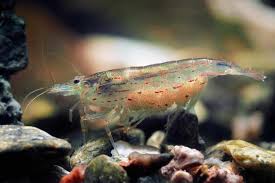
Aquarium shrimp are fascinating creatures that can make wonderful additions to a community tank. Their small size and peaceful nature often make them compatible with a wide variety of aquarium inhabitants. However, it’s important to consider their specific requirements and behaviors to ensure they coexist harmoniously with other tank mates.
Size Compatibility
One of the primary considerations when keeping aquarium shrimp with other inhabitants is size compatibility. Shrimp are generally small and can be vulnerable to larger fish that may see them as potential prey. Therefore, it’s advisable to avoid keeping shrimp with species known for aggressive behavior or those that are large enough to swallow them. Small and peaceful fish species such as tetras, rasboras, and small livebearers (like guppies or endlers) are usually safe companions for shrimp. These fish are unlikely to harm shrimp and may even help create a harmonious ecosystem by cleaning up leftover food.
Temperament and Behavior
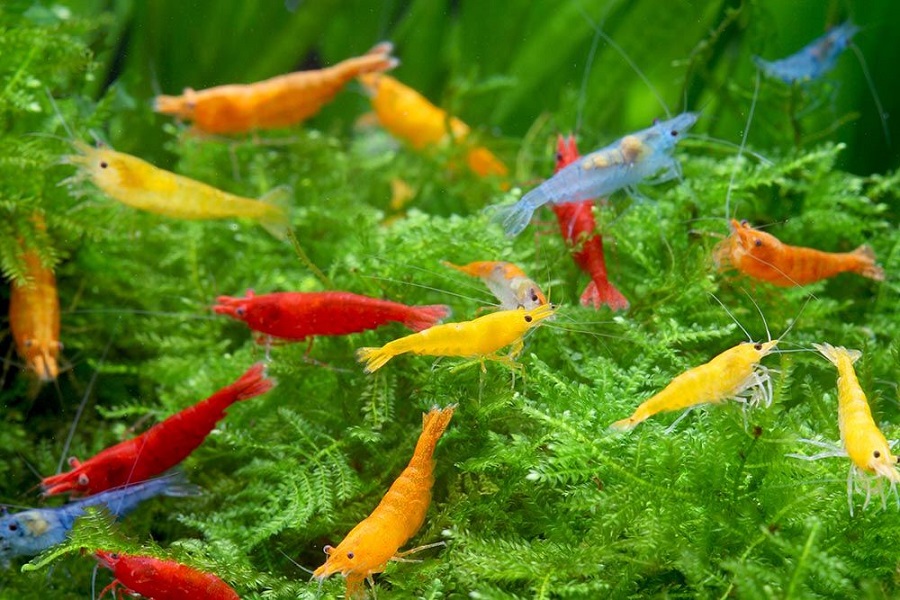
Shrimp are peaceful invertebrates that spend much of their time foraging and scavenging on the aquarium floor and decorations. They are generally non-aggressive towards other tank inhabitants and prefer environments with plenty of hiding places. Fish that are known to be nippy or aggressive can stress out shrimp, potentially leading to health issues or even fatalities. Avoid species like certain cichlids, barbs, or large aggressive tetras when planning a shrimp tank. Instead, opt for calm and peaceful species that won’t disrupt the shrimp’s activities or stress them out.
Water Parameters and Habitat
Another critical aspect of shrimp compatibility is matching water parameters and habitat preferences. Most shrimp species, such as Cherry Shrimp (Neocaridina davidi) or Crystal Red Shrimp (Caridina cantonensis), thrive in stable and clean water conditions. They prefer slightly alkaline to neutral pH levels and require good water quality with minimal fluctuations in temperature and chemical composition. When choosing tank mates for shrimp, ensure that they share similar water parameter requirements to avoid stress or health problems for either species. Researching the specific needs of each species beforehand will help in creating a balanced and compatible community tank, ensuring they are compatible with the same aquarium supplies.
Conclusion
In conclusion, aquarium shrimp can coexist successfully with a variety of other tank inhabitants, provided that careful consideration is given to their size, temperament, and habitat requirements. Choosing compatible tank mates such as small, peaceful fish and avoiding aggressive or predatory species is key to maintaining a harmonious aquatic environment. By understanding the specific needs of shrimp and their potential tank mates, aquarists can create a thriving ecosystem where all inhabitants can flourish. Always monitor the behavior of all species in the aquarium and be prepared to make adjustments if any compatibility issues arise. With proper care and attention, a community tank featuring aquarium shrimp can be a beautiful and rewarding addition to any aquarium’s collection.