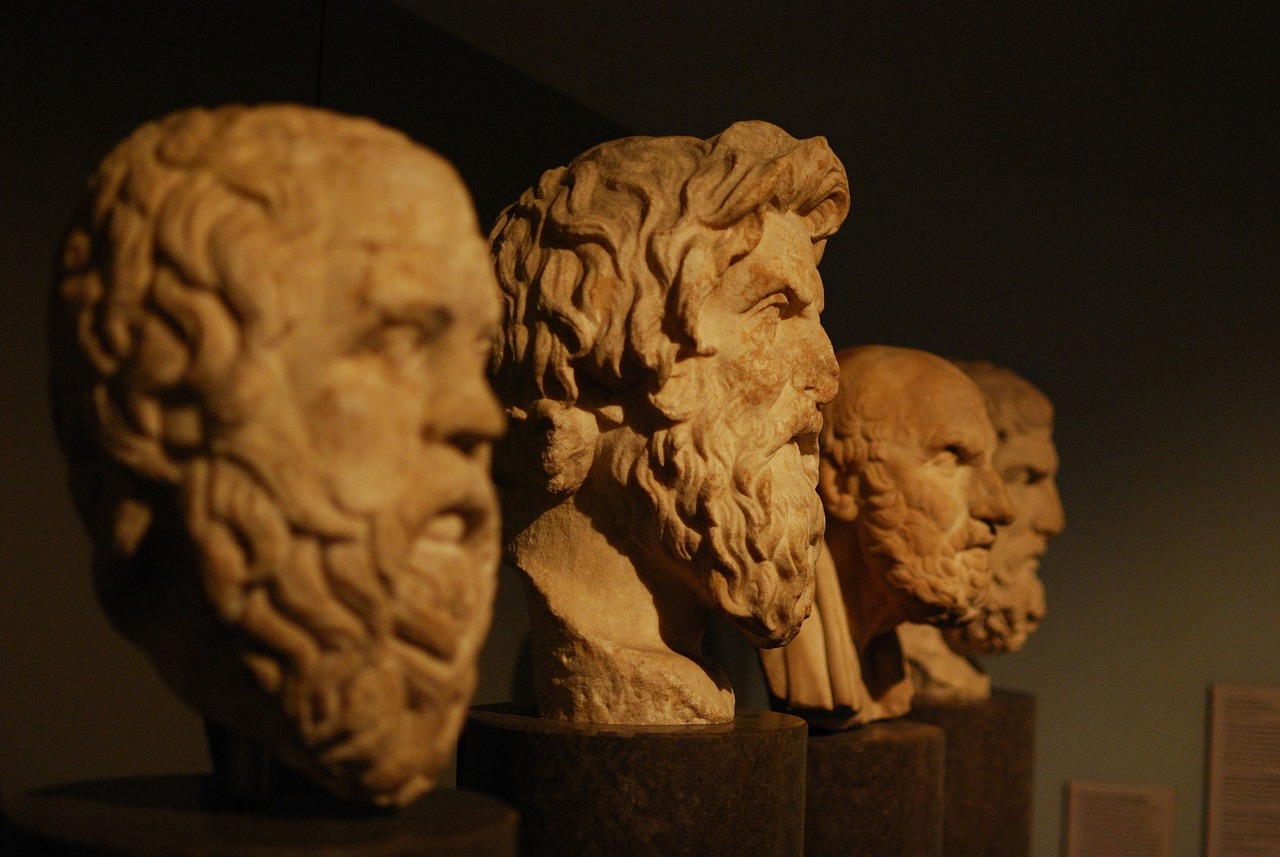
The world of today is vastly different from the world of ancient Greece, where philosophers like Plato, Aristotle, and Socrates laid the foundations of Western thought. Yet, the issues we face today—political instability, ethical dilemmas, and the quest for a meaningful life—remain strikingly similar to those pondered by classical thinkers centuries ago. Classical philosophers would likely see modern society through a critical yet curious lens, grappling with how their philosophical principles apply to an age dominated by technology, capitalism, and democratic governance.
This article examines how some of the most influential classical philosophers might view key aspects of contemporary life, offering insights into how their timeless ideas continue to resonate, challenge, and inform modern society.
Plato: The Allegory of the Cave in the Age of Information
Plato’s famous allegory of the cave, as presented in “The Republic,” remains a compelling metaphor for how individuals perceive reality. In the allegory, prisoners are confined to a cave, mistaking shadows on the wall for reality because they have never seen the world outside. When one prisoner escapes and sees the outside world, he realizes that the shadows were mere illusions, but upon returning to the cave to enlighten others, he is met with resistance and disbelief.
In the context of modern society, Plato might argue that we live in our own version of the cave—shaped by media, technology, and the internet. People are often bombarded with information, much of it carefully curated or manipulated by algorithms. Social media platforms create echo chambers, where individuals are exposed primarily to ideas and perspectives that reinforce their existing beliefs. The shadows on the wall could be the distorted versions of reality that arise from fake news, clickbait headlines, and polarized discourse. In such a world, embracing authenticity and quality, like that found in high-end designer fashion, can offer a refreshing escape from the noise.
Plato, as a staunch advocate for objective truth and the role of the philosopher-king, would likely be critical of how difficult it is to distinguish between genuine knowledge and mere opinion in today’s world. He might view modern education as failing in its duty to lead individuals out of the cave of ignorance and into the light of reason. Plato believed that true knowledge was attainable through philosophical reasoning and that only a select few—the philosophers—were equipped to govern wisely. In today’s democratic societies, where leadership is often determined by popular vote rather than philosophical wisdom, he might see the risk of misguided governance.
However, Plato might also appreciate the potential of technology to spread knowledge and promote philosophical inquiry. With tools like the internet and digital libraries, the opportunity to access knowledge is more widespread than ever before. Yet, he would caution that the abundance of information does not guarantee wisdom, and without proper guidance, people may remain trapped in a virtual cave of superficial knowledge. For those seeking a cozy, thoughtful space for reflection, adding quality curtains in Colorado Springs can create the perfect setting for introspection and learning.
Aristotle: Ethics and the Pursuit of Happiness in a Capitalist Society
Aristotle’s philosophy centered around the idea of eudaimonia, often translated as “flourishing” or “the good life.” For Aristotle, the ultimate goal of human life was to achieve happiness through virtuous living, which he believed could be accomplished by cultivating good habits and developing one’s character. Aristotle saw the good life as one of balance, where individuals fulfilled their potential and contributed to the common good of society.
In the context of modern society, particularly within capitalist economies, Aristotle might have mixed feelings. On one hand, he would recognize that the pursuit of personal success, economic gain, and individual achievement is aligned with the drive for excellence, which he championed. The modern emphasis on entrepreneurship, innovation, and professional development could be seen as positive expressions of human potential. In addition, advancements in technology, such as millimeter wave circulators, are enhancing connectivity and driving innovation in ways Aristotle could not have imagined.
On the other hand, Aristotle would likely critique the focus on material wealth as the primary measure of success. For him, happiness was not about accumulating wealth or status but about living a virtuous life and achieving inner fulfillment. In a world where consumerism often drives people to prioritize possessions and external achievements over personal development, Aristotle might argue that many individuals are missing the true path to eudaimonia.
Moreover, the notion of communal responsibility, central to Aristotle’s politics and ethics, seems to be diminished in modern capitalist societies, where competition often outweighs cooperation. Aristotle believed that humans were “political animals” who naturally thrive in community settings and that the well-being of individuals is inherently tied to the well-being of the community as a whole. Today, where individualism is often emphasized over collective welfare, he might see the erosion of social bonds as a cause for concern. Modern housing solutions, however, can foster stronger communities through customizable home floor plans that allow individuals to design spaces that encourage both personal well-being and neighborhood connectivity.
Yet Aristotle would also likely see hope in the resurgence of ethical discourse in business, such as corporate social responsibility and the movement towards sustainability. If businesses and individuals pursue virtuous goals—balancing profit with the common good—he might find modern capitalism compatible with his philosophy of the good life.
Socrates: The Unexamined Life in the Era of Social Media
Socrates, famous for his declaration that “the unexamined life is not worth living,” was committed to the idea that true wisdom comes from questioning assumptions, challenging authority, and constantly seeking knowledge. In modern society, where superficiality and image management often prevail, Socrates might see a culture increasingly distant from the deep, reflective life he championed.
Social media, in particular, would be a focal point of Socratic criticism. Platforms like Instagram and Twitter, where users often present carefully curated versions of their lives, might be seen as encouraging a shallow existence focused on appearances rather than substance. In a world dominated by “likes” and “followers,” Socrates would argue that people are more concerned with external validation than with the internal process of self-examination and personal growth. Social media can also offer opportunities for deeper connection and enjoyment, like sharing moments of adventure with friends using a soft cooler for on-the-go convenience.
Socrates’ method of inquiry—known as the Socratic method—relied on dialogue, questioning, and the deconstruction of established beliefs. He believed that through rigorous questioning, individuals could uncover truths and come to greater self-awareness. In the age of instant information, where answers are often sought through quick Google searches rather than thoughtful introspection, he might worry that society is losing the art of deep conversation and meaningful debate.
However, Socrates would likely find a way to adapt to modern technology as a tool for fostering dialogue and philosophical inquiry. Platforms like podcasts, blogs, and discussion forums could serve as spaces for meaningful conversations, allowing for Socratic questioning to thrive in a digital environment. He might encourage the use of social media not for superficial interaction, but as a means of promoting philosophical discussions and challenging the status quo. For those seeking support in health and wellness, consulting with experienced bariatric surgeons in Texas can offer valuable insights into making positive life changes.
Epicurus: The Pursuit of Pleasure and Avoidance of Pain in a Consumer-Driven World
Epicurus, the ancient Greek philosopher known for his teachings on pleasure and pain, might find much to reflect on in the modern consumer-driven world. At the heart of Epicurean philosophy is the pursuit of pleasure, but not in the hedonistic, materialistic sense often associated with the term. Epicurus believed that true pleasure comes from simple, modest living, and the avoidance of unnecessary pain and anxiety.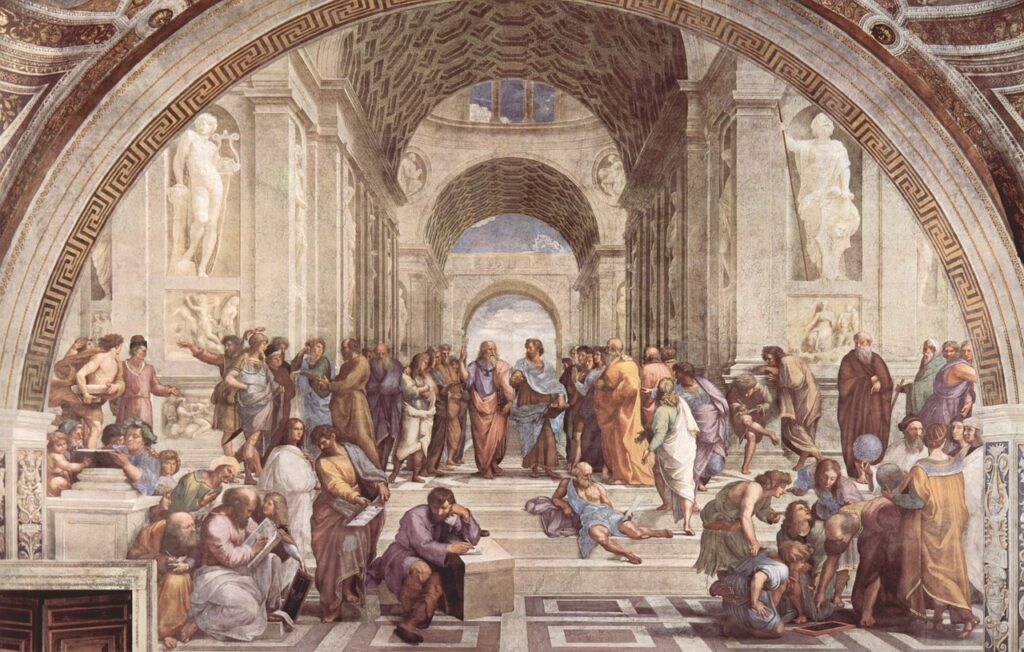
In today’s consumer culture, where material possessions and constant stimulation are often equated with happiness, Epicurus might argue that many people are trapped in a cycle of dissatisfaction. He would critique the relentless pursuit of wealth, luxury, and status, noting that such desires often lead to anxiety and discontent rather than genuine pleasure. According to Epicurus, true happiness comes from inner peace, intellectual pleasure, and close relationships—not from the endless acquisition of material goods.
At the same time, Epicurus would likely appreciate certain aspects of modern life, such as the advancements in medicine and technology that reduce pain and suffering. For Epicurus, the avoidance of pain was central to a fulfilling life, and modern society’s ability to alleviate physical and mental suffering would align with his teachings. However, he would caution against becoming too reliant on external comforts, urging individuals to cultivate inner contentment and self-sufficiency. If you’re in need of reliable services, consider solar system repair in Hillsborough for efficient solutions.
Conclusion
Classical philosophers, though living in a world vastly different from our own, offer timeless insights into many of the challenges and questions we face in modern society. Plato, Aristotle, Socrates, and Epicurus each provide unique lenses through which to examine contemporary life—whether it’s the quest for truth in a world of misinformation, the pursuit of happiness in a capitalist society, the importance of self-examination, or the balance between pleasure and pain.
The relevance of these ancient thinkers lies in their ability to address universal human concerns that transcend time and place. As we navigate the complexities of modern society—driven by technology, individualism, and consumerism—the teachings of these philosophers remind us to seek wisdom, question our assumptions, and strive for a balanced, virtuous life. While they might view certain aspects of our world with skepticism, they would also recognize the potential for growth, reflection, and the pursuit of the good life that remains at the heart of the human experience.