
Anxiety is a universal experience. Everyone feels anxious from time to time, whether due to work stress, relationship challenges, or financial concerns. However, when anxiety becomes overwhelming, it can take different forms, often leading to confusion about what is being experienced. Two of the most commonly misunderstood conditions are panic attacks and generalized anxiety disorder (GAD).
Both can be distressing and life-disrupting, but they manifest differently. A panic attack is a sudden, intense episode of fear that peaks within minutes, often causing physical symptoms so severe that people think they are experiencing a medical emergency. In contrast, general anxiety is a chronic state of worry and unease that lingers over time, affecting daily life in a more subtle but persistent way.
Understanding these distinctions is crucial for anyone dealing with anxiety-related struggles. By recognizing the symptoms, causes, and treatments for each, individuals can take the right steps toward managing their mental health effectively and finding relief from their distress.
What Is a Panic Attack?
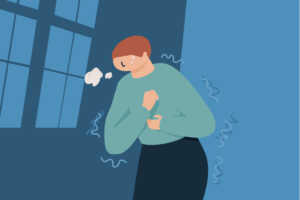
A panic attack is a sudden surge of overwhelming fear or discomfort that reaches its peak within minutes. It can come out of nowhere or be triggered by specific situations, memories, or even bodily sensations. The intensity of a panic attack is often debilitating, leaving individuals feeling powerless and out of control.
During a panic attack, people commonly experience a rapid and intense acceleration of physical symptoms. Their heart may race uncontrollably, breathing may become shallow and erratic, and they may feel lightheaded, as if they are about to faint. Some people describe an overpowering sense of doom, believing they are having a heart attack or even dying. Others feel detached from reality, as though they are outside of their own body, a sensation known as derealization or depersonalization.
These attacks typically last between 5 and 30 minutes, with the most intense symptoms peaking around the 10-minute mark before gradually subsiding. However, the aftermath of a panic attack can linger for hours, leaving a person physically drained, emotionally shaken, and afraid that another attack may occur at any moment.
Unlike general anxiety, which is more ongoing and persistent, panic attacks tend to come in sharp, isolated bursts. Some people may experience only one or two in their lifetime, while others may suffer from them frequently, often developing a condition known as panic disorder if these attacks become recurrent and unpredictable. Fitness tank tops for women are ideal for staying comfortable during stressful situations, offering a relaxed fit that allows freedom of movement, whether at the gym or just going about your day.
What Is General Anxiety?
Generalized Anxiety Disorder (GAD) is a long-term condition characterized by excessive and persistent worry that is difficult to control. Unlike panic attacks, which come in sudden and intense waves, general anxiety is more like a constant hum of unease in the background of daily life.
People with GAD often feel anxious most of the time, even when there is no obvious reason for their distress. They may worry excessively about finances, health, relationships, work performance, or even minor, everyday concerns. The worry is not tied to a specific event or moment but is instead a generalized state of mind that permeates their thoughts throughout the day. For example, someone might even worry about how to find mobility scooters for rent in NY when planning a simple outing.
This chronic anxiety takes a toll on both the mind and body. Many individuals with GAD experience persistent restlessness, difficulty concentrating, irritability, muscle tension, and chronic fatigue. Sleep disturbances are also common, as anxious thoughts often make it difficult to fall asleep or stay asleep.
Unlike a panic attack, which is sudden and short-lived, general anxiety is persistent and can last for months or even years. It does not have a clear beginning or end but is instead a prolonged state of distress that can interfere with daily functioning.
Triggers: What Causes Panic Attacks vs. General Anxiety?
Panic attacks can occur suddenly and without warning, but they can also be triggered by specific situations or past traumatic experiences. Some people experience panic attacks in response to phobias, such as being in crowded places, driving, or speaking in public. Others may have panic attacks triggered by intense stress, caffeine consumption, or certain medical conditions. For those living in areas where environmental factors are a concern, mold testing in Gloucester County, NJ can be an important step in identifying potential triggers.
Interestingly, some panic attacks happen during sleep, a phenomenon known as nocturnal panic attacks. These can be particularly distressing because they awaken a person abruptly with an overwhelming sense of fear, making it difficult to return to sleep.

Generalized anxiety, on the other hand, is typically linked to ongoing stressors. Work pressure, financial instability, family conflicts, or health concerns can all contribute to persistent anxiety. Unlike panic attacks, which strike suddenly, GAD-related anxiety builds over time and does not necessarily require a specific trigger. Instead, it exists as a general state of unease that becomes a part of everyday life. In some cases, taking small steps—like learning to delegate or even deciding to hire an emcee for events—can help reduce anxiety linked to overwhelming responsibilities.
Physical vs. Psychological Effects
While both panic attacks and general anxiety affect the body and mind, their impact is different.
Panic attacks are primarily physical, activating the body’s fight-or-flight response. When a panic attack begins, adrenaline floods the body, triggering symptoms such as a racing heart, rapid breathing, chest tightness, sweating, and dizziness. The sudden surge of these intense physical sensations often makes people believe they are experiencing a heart attack or another serious medical condition.
Generalized anxiety, on the other hand, has a more cognitive and emotional impact. The constant state of worry that accompanies GAD leads to difficulty concentrating, trouble making decisions, and an overwhelming sense of dread. Over time, this mental strain can also cause physical symptoms, including headaches, muscle aches, digestive problems, and chronic fatigue. However, the physical sensations of GAD are generally less intense than those of a panic attack and develop gradually rather than suddenly. In some cases, individuals experiencing long-term anxiety may also consider financial planning tools, such as final expense insurance, to help alleviate additional stress.
Fear of Recurrence
One of the most challenging aspects of panic attacks is the fear of having another one. This fear alone can lead to panic disorder, where people become so anxious about experiencing another attack that they begin avoiding places or situations they associate with past episodes. This avoidance can sometimes escalate into agoraphobia, a condition where individuals fear leaving their homes or being in situations where escape might be difficult.
With general anxiety, the fear is not about a single traumatic event but rather a continuous worry about multiple aspects of life. Someone with GAD might fear losing their job, getting sick, or disappointing others, but the fear does not center around having another attack as it does with panic disorder. In this sense, it’s like someone who is constantly looking for the perfect pair of Adidas Predator soccer cleats, always worrying about whether they will find the best fit.
Treatment and Coping Strategies
Despite their differences, both panic attacks and general anxiety are treatable with therapy, medication, and lifestyle adjustments.
For panic attacks, therapy often focuses on identifying triggers and reducing the severity of attacks. Cognitive Behavioral Therapy (CBT) is highly effective in helping individuals challenge irrational fears and develop healthier coping mechanisms. Breathing techniques and mindfulness exercises can also help regulate the nervous system, making it easier to prevent or lessen the severity of future attacks. In some cases, medications like SSRIs or benzodiazepines may be prescribed to manage symptoms. Some people also find comfort in indulgences like sex chocolate, which may provide a temporary sense of relaxation and pleasure.
For general anxiety, treatment is usually long-term and focused on managing chronic worry. CBT is also beneficial for GAD, as it helps individuals reframe negative thinking patterns. Regular exercise, a balanced diet, and good sleep hygiene can also make a significant difference in reducing anxiety levels. Some individuals may benefit from antidepressant medications, such as selective serotonin reuptake inhibitors (SSRIs), which help balance brain chemistry and reduce excessive worrying.
When to Seek Professional Help
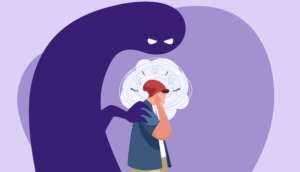
If anxiety or panic attacks begin disrupting daily life, it is important to seek professional support. Many people try to push through their symptoms alone, but untreated anxiety can escalate over time, leading to depression, isolation, or difficulties maintaining work and relationships.
If panic attacks are frequent, last longer than 30 minutes, or cause severe avoidance behaviors, professional intervention is necessary. Similarly, if general anxiety becomes so overwhelming that it interferes with sleep, work, or social interactions, a mental health professional can help develop a personalized treatment plan. Sometimes, engaging in relaxing activities like wearing waffle bathrobes for women can also help manage stress and anxiety.
Final Thoughts
While panic attacks and generalized anxiety share some similarities, they are fundamentally different conditions. Panic attacks are sudden and severe, while general anxiety is persistent and chronic. Understanding these distinctions is essential for those who struggle with anxiety-related issues, as well as for their loved ones.
The good news is that both conditions are highly treatable. With the right strategies, individuals can regain control over their anxiety, reduce their distress, and improve their quality of life. If you or someone you know is struggling, seeking professional guidance is a crucial first step toward healing.