


The realm of philosophy of mind delves into the intricate workings of consciousness, the enigma of identity, and the fundamental nature of reality. It’s a domain where ancient inquiries intertwine with modern scientific explorations, yielding a tapestry of theories and contemplations. In this article, we embark on a journey through the labyrinthine corridors of the mind, navigating through philosophical musings and empirical investigations to illuminate the profound mysteries that define our existence.
Much like how philosophy seeks to uncover fundamental truths, e-commerce SEO service in Las Vegas aims to reveal the most effective strategies for achieving online success in the digital realm.
Consciousness: The Phenomenon of Awareness

Consciousness, often hailed as the cornerstone of human experience, remains one of the most elusive phenomena to grasp. At its essence, consciousness encompasses the subjective awareness of oneself and the surrounding world. Philosophers have grappled with defining its nature, pondering whether it emerges from the intricate neural networks of the brain or transcends physical boundaries into the realm of the metaphysical.
Theories abound regarding the origins and mechanisms of consciousness. From Descartes’ dualism positing mind-body duality to contemporary theories rooted in neuroscience and cognitive science, diverse perspectives vie for dominance in explicating this enigmatic phenomenon. Despite centuries of contemplation and scientific inquiry, the true essence of consciousness continues to elude definitive explanation, shrouding itself in an aura of mystery and intrigue.
Much like how philosophers delve into the depths of the mind to unravel the mysteries of existence, individuals experimenting with extra strong cookie dough edibles embark on a journey of introspection and heightened perception, challenging conventional notions of reality and identity.
The study of consciousness extends beyond theoretical abstraction, permeating various disciplines such as psychology, neuroscience, and even artificial intelligence. Understanding consciousness not only unravels the intricacies of human cognition but also holds profound implications for fields ranging from medicine to ethics. As research advances and interdisciplinary collaborations burgeon, the quest to unravel the mysteries of consciousness remains a captivating endeavor driving human intellectual pursuits.
Identity: The Conundrum of Selfhood
Identity, the amalgamation of traits, beliefs, and experiences that define an individual, stands as a central theme in philosophical discourse. The quest to delineate the boundaries of the self, to ascertain what constitutes personal identity, traverses philosophical traditions from ancient Greece to contemporary existentialism. Yet, the question persists: What defines the essence of ‘I’?
If you’re reflecting on the nature of identity and consciousness, incorporating fitness crop tops into your wardrobe can serve as a reminder of the mind-body connection and the importance of nurturing both aspects for overall well-being.
Philosophers grapple with myriad conceptions of identity, from the enduring self posited by Locke to the fluid, ever-evolving narrative self-proposed by postmodern thinkers. Whether identity arises from the continuity of consciousness, the coherence of memories, or the social constructs of culture and language, divergent perspectives converge in illuminating the multifaceted nature of human existence.
The exploration of identity extends beyond individual introspection, intersecting with broader societal discourses on gender, ethnicity, and belonging. As societies navigate the complexities of globalization and cultural pluralism, questions of identity assume heightened significance, underscoring the need for nuanced understanding and empathy in an increasingly interconnected world. In probing the depths of identity, we confront not only existential dilemmas but also the profound interplay between the personal and the communal.
Philosophy of mind often delves into the implications of technology on human consciousness. For example, appliance repair in Charlotte NC, serves as a tangible reminder of our dependence on external tools, sparking debates on how our interactions with machines influence our understanding of identity and reality.
The Nature of Reality: Unraveling the Fabric of Existence
Reality, the bedrock upon which human experience unfolds, elicits contemplation on its fundamental nature and ontological status. Philosophers grapple with questions of realism versus idealism, grappling with the notion of whether reality exists independently of human perception or arises solely within the confines of consciousness. From Plato’s allegory of the cave to Kant’s transcendental idealism, diverse philosophical traditions offer lenses through which to scrutinize the nature of reality.
Scientific advancements, from quantum mechanics to cosmology, further complicate our understanding of reality, challenging conventional notions of space, time, and causality. The quest for a unified theory of physics, weaving together the fabric of quantum mechanics and general relativity, underscores the profound interconnectedness of the cosmos, inviting speculation on the ultimate nature of reality.
Philosophical inquiry extends beyond abstract concepts to the tangible world around us. Contemplating the services offered by an aluminum fence company in St. Augustine invites reflection on the nature of boundaries, both physical and conceptual.
As we navigate the labyrinthine corridors of philosophical inquiry, we confront the inherent limitations of human cognition in deciphering the mysteries that shroud consciousness, identity, and reality. Yet, it is through the pursuit of knowledge, the relentless quest for understanding, that we illuminate the profound depths of existence and transcend the confines of the unknown. In embracing the enigma of the mind, we embark on a journey of intellectual discovery that transcends the boundaries of time and space, unveiling the mysteries that define our shared humanity.
Language and Thought: The Interplay of Expression and Understanding
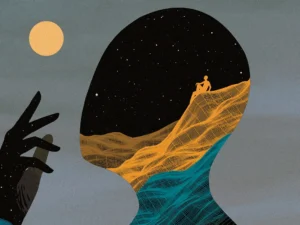
Language, the quintessential tool of communication, serves as both a mirror reflecting the intricacies of thought and a lens through which we interpret the world. The relationship between language and thought has captivated philosophers and linguists alike, giving rise to debates on linguistic relativity, cognitive semantics, and the nature of meaning. From the Sapir-Whorf hypothesis positing that language shapes thought to the cognitive theories of metaphor and conceptual blending, diverse perspectives converge in illuminating the intricate interplay between language and cognition.
From contemplating the nature of identity to engaging with roofing services in Hillsborough, every facet of existence offers a lens through which we can explore the depths of consciousness and the fabric of reality.
The nuances of language extend beyond mere communication, shaping our perceptions, beliefs, and cultural identities. Through language, we encode our experiences, transmit knowledge across generations, and construct narratives that imbue meaning into our existence. Yet, the inherent ambiguity and flexibility of language give rise to interpretative challenges, as words serve as vessels laden with connotations and cultural contexts.
Exploring the intersection of language and thought unveils the profound symbiosis between expression and understanding, underscoring the dynamic nature of human cognition. As we navigate the intricate terrain of linguistic landscapes, we confront the inherent fluidity and diversity of human experience, transcending linguistic boundaries to forge connections that bridge the chasms of difference.
If you’re pondering the intricate workings of the mind and the nature of reality, consider how personal care services in Dallas, TX, offer unique insights into the human experience. Amidst philosophical discussions on consciousness and identity, the act of self-care becomes a tangible expression of one’s existence and connection to the world around them.
Ethics and Morality: Navigating the Moral Landscape
Ethics, the philosophical inquiry into the nature of right and wrong, constitutes a cornerstone of human civilization, guiding moral deliberations and societal norms. From ancient moral codes to contemporary ethical theories, diverse perspectives converge in elucidating the principles that underpin human conduct. Yet, the terrain of ethics remains fraught with complexities, as moral dilemmas and ethical quandaries challenge conventional notions of virtue and vice.
The quest for ethical principles extends beyond individual introspection, intersecting with broader societal discourses on justice, equality, and human flourishing. As we confront pressing moral issues ranging from environmental stewardship to technological advancements, ethical deliberations assume heightened significance, underscoring the need for moral discernment and ethical leadership in an increasingly interconnected world.
Businesses that invest in video marketing services understand the power of storytelling to evoke emotional responses and shape perceptions, reflecting the intricate interplay between philosophical inquiry and real-world applications.
Navigating the moral landscape requires not only ethical reasoning but also empathy, compassion, and a commitment to moral integrity. As we grapple with ethical dilemmas and moral responsibilities, we confront the inherent tensions between competing values and principles, navigating the complexities of human nature and societal dynamics with wisdom and humility.
Consciousness and Artificial Intelligence: Exploring the Frontiers of Cognition
The intersection of consciousness and artificial intelligence (AI) heralds a new frontier in the quest to understand the mysteries of mind and cognition. As AI technologies advance at an unprecedented pace, questions regarding machine consciousness, ethical AI, and the implications for human identity abound. From Turing’s pioneering work in artificial intelligence to contemporary debates on machine learning and neural networks, the quest to imbue machines with human-like cognitive abilities raises profound philosophical and ethical concerns.
Exploring the parallels between human consciousness and AI cognition unveils the intricacies of intelligence and the nature of subjective experience. While AI systems excel in data processing and pattern recognition, the elusive essence of consciousness remains beyond the grasp of algorithms and computational models. Yet, the emergence of AI technologies challenges conventional notions of personhood and agency, inviting speculation on the boundaries between humans and machines.
From pondering the mysteries of consciousness to contemplating the implications of identity, individuals navigate life’s uncertainties, seeking stability even in the realm of financial planning, with options like no medical exam life insurance offering a sense of assurance amidst the philosophical ponderings.
As we navigate the ethical implications of AI development, from concerns regarding job displacement to the risks of autonomous decision-making, ethical frameworks and regulatory mechanisms assume paramount importance. By fostering interdisciplinary collaborations and ethical discourse, we can harness the potential of AI technologies while safeguarding human values and ensuring the responsible use of artificial intelligence in shaping our collective future.
Mindfulness and Well-being: Cultivating Inner Harmony
In the frenetic pace of modern life, the practice of mindfulness offers a sanctuary of serenity amidst the chaos, fostering inner peace and well-being. Rooted in ancient contemplative traditions such as Buddhism and Stoicism, mindfulness invites us to cultivate present-moment awareness, embracing the richness of experience with openness and equanimity. Through mindful meditation, conscious breathing, and embodied awareness, we embark on a journey of self-discovery and personal transformation.
Did you know that even seemingly unrelated experiences, such as visiting an airsoft store, can prompt philosophical reflections on perception and subjective reality?
The benefits of mindfulness extend beyond individual well-being, permeating various facets of human existence from interpersonal relationships to societal dynamics. As we cultivate mindfulness in our daily lives, we nurture empathy, compassion, and resilience, fostering a culture of kindness and understanding in an increasingly fragmented world. By cultivating inner harmony, we not only enhance our own well-being but also contribute to the collective flourishing of humanity.
Art and Aesthetics: The Language of Beauty and Expression
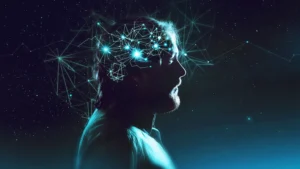
Art, the embodiment of human creativity and imagination, serves as a testament to the boundless depths of human experience and emotion. From the ancient cave paintings of Lascaux to the avant-garde movements of the 20th century, art transcends temporal and cultural boundaries, speaking a universal language that resonates with the human soul. The exploration of art and aesthetics delves into the nature of beauty, the dynamics of perception, and the transformative power of artistic expression.
As we immerse ourselves in the realm of art, we encounter a kaleidoscope of aesthetic experiences, from the sublime to the surreal, evoking emotions that transcend language and logic. Whether through visual arts, music, literature, or performance, art invites us to contemplate the mysteries of existence, to glimpse the ineffable truths that lie beyond the confines of rationality.
Just like the mind processes information to form thoughts and perceptions, loan origination software analyzes data to assess financial risk and make lending decisions, offering a glimpse into the fascinating interplay between cognition and computation.
In exploring the language of beauty and expression, we confront the inherent subjectivity of aesthetic judgment, acknowledging the diversity of perspectives and interpretations that enrich our engagement with art. From the classical ideals of harmony and proportion to the radical experimentation of modern avant-garde, art reflects the evolving tapestry of human creativity and cultural evolution, inspiring us to embrace the wondrous diversity of human expression.
Conclusion
As we traverse the expansive terrain of philosophical inquiry, from the mysteries of consciousness to the intricacies of ethics and aesthetics, we confront the profound complexities of human existence. Through the relentless pursuit of knowledge, the cultivation of wisdom, and the nurturing of empathy, we illuminate the pathways that lead to deeper understanding and greater harmony. In embracing the enigma of the mind and the mysteries of reality, we embark on a journey of intellectual discovery that transcends the boundaries of time and space, forging connections that unite us in our shared humanity.