Introduction: When Reality Feels Glitched
The idea that our universe might be a simulation—an elaborate, computational construct created by an advanced intelligence—has moved from science fiction into serious philosophical and scientific discussion. Popularized by thinkers like Nick Bostrom and echoed by tech pioneers, the simulation hypothesis raises profound questions about consciousness, free will, morality, and the nature of existence. If the world we experience is a kind of cosmic video game, what does that imply about the meaning of our decisions? Do our choices still matter if reality is not fundamentally “real” in the way we assume?
To explore this question, we first need to understand what the simulation hypothesis suggests and then examine how it intersects with the deepest human concerns: significance, accountability, and freedom.
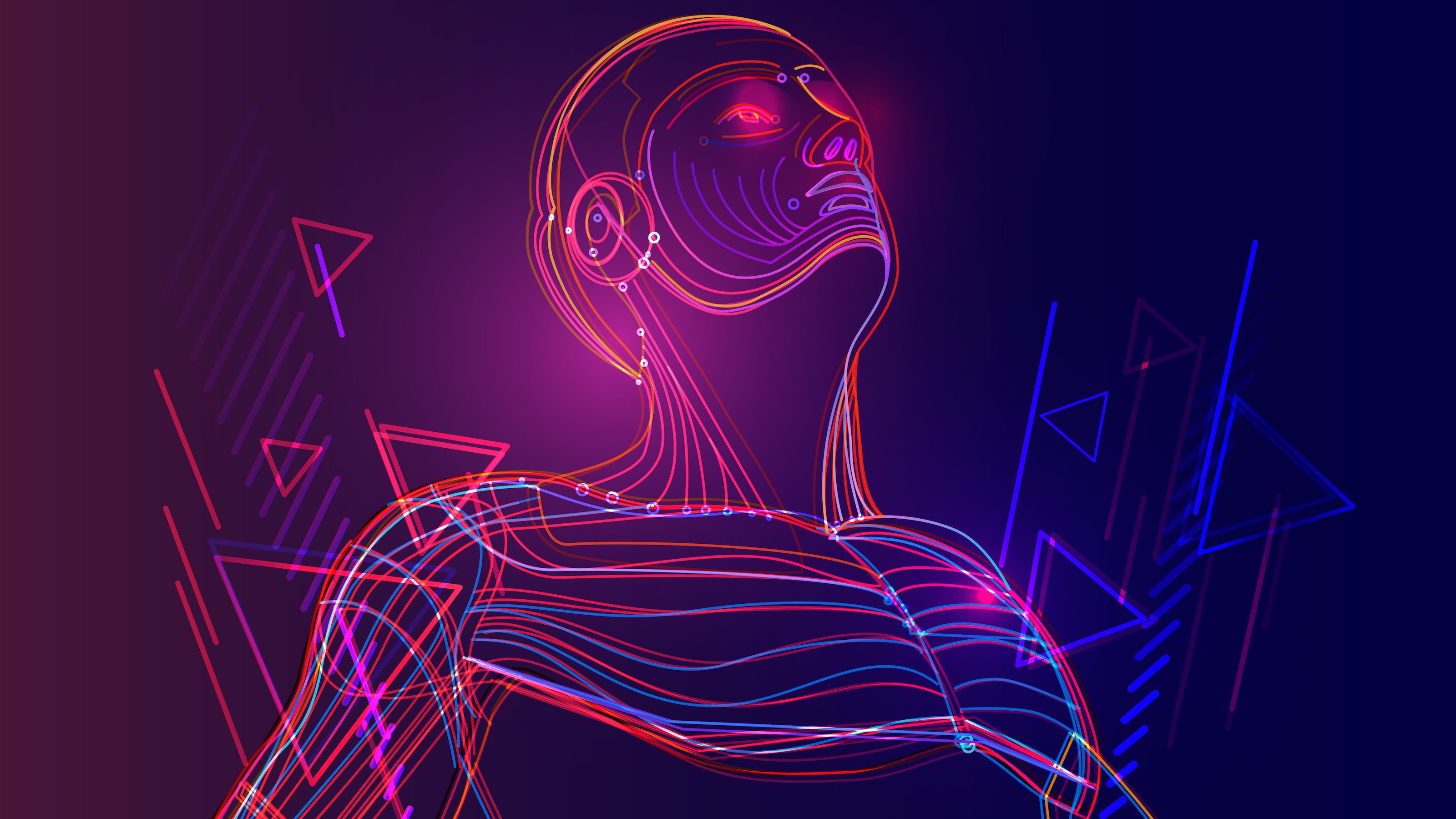
Understanding the Simulation Hypothesis
The simulation hypothesis proposes that our universe could be an artificial construct running inside a vastly powerful computer system. The reasoning typically rests on three ideas. First, if any civilization reaches an advanced enough technological stage, it might gain the ability to run simulations of entire worlds—complete with conscious beings. Second, simulated worlds could potentially outnumber original, “base” realities. And third, because simulated beings would not be able to distinguish their reality from a sufficiently advanced simulation, any entity within such a world might reasonably question whether their existence is authentic or programmed.
This doesn’t necessarily imply a malicious creator or puppeteer; rather, it suggests we live inside a structured environment governed by rules—just like the physics engines behind games or simulations we already create on a smaller scale. For many, this possibility is thrilling. For others, it is deeply unsettling.
But regardless of how one feels about the hypothesis itself, a more pressing question emerges: If reality is simulated, does anything we do truly matter?
The Nature of Meaning in a Simulated Universe
The first instinct many people have when confronted with the idea of a simulated universe is a sense of nihilism. If everything is fabricated or controlled by an external system, then perhaps nothing—our achievements, relationships, struggles—holds real meaning. But this conclusion relies on the assumption that meaning must come from external, objective validation. Yet humans have never experienced meaning this way.
Meaning, in its most authentic form, is generated internally. We construct it through our interactions, our interpretations, and our experiences. Even in a fully physical universe, meaning is not objectively embedded in atoms or molecules. It arises from consciousness—from the subjective.
If we are conscious inside a simulation, the experiences we have still feel real to us. Pain hurts. Joy uplifts. Love transforms. Suffering leaves scars. These internal states are not diminished by the nature of the environment producing them. In that sense, the simulation hypothesis changes nothing about the significance of lived experience. A simulated sunset can be as beautiful as a natural one. A simulated loss can still break a heart. The meaning of life has always been rooted in perception, not physical composition.
Free Will Inside the Code
Another deep concern surrounding the simulation hypothesis is free will. If our universe is controlled by code, are we merely executing a predetermined script? Are our thoughts just the outputs of algorithms? On the surface, this possibility seems to undermine the idea that we genuinely choose anything.
Yet this concern mirrors debates that existed long before the simulation hypothesis—particularly those in neuroscience and physics. Even in a non-simulated universe, some argue that all decisions are products of brain chemistry and deterministic physical laws. If that is the case, then free will is already questionable.
But determinism does not eliminate the value of choice as an experiential process. Even if our decisions emerge from computations—whether biological or digital—they still represent unique expressions of our identity. If the system is designed with complexity, unpredictability, and individuality in mind, then our choices remain meaningful within that structure.
Furthermore, simulations can allow for emergent behavior—complex actions that arise spontaneously, not because they are explicitly programmed but because they emerge from interactions within the system. If consciousness in a simulated universe is emergent rather than scripted, then free will could operate similarly to how it does in a non-simulated universe: real at the level of experience, regardless of its origins.

Ethics and Responsibility in a Constructed World
The moral implications of living in a simulated reality also deserve attention. If the world is artificial, does morality still apply? Should we care about harm, compassion, or justice?
The simulation hypothesis does not excuse behavior. Even if the setting is constructed, the suffering of conscious beings within it is real to them. Ethics has never depended on the absolute physical nature of the universe; it depends on the fact that conscious entities can experience well-being or harm. If pain is felt, it matters. If people can suffer, then actions that reduce suffering remain morally significant.
The idea that morality could be suspended because the world might be simulated collapses under scrutiny. It would be equivalent to saying that cruelty in a dream or a virtual environment is acceptable simply because the environment is artificial. But if someone inside the environment can feel pain, fear, or despair, then the responsibility to act ethically remains.
In fact, the simulation hypothesis might strengthen our sense of responsibility. If our world is a constructed system, then every action contributes to the overall quality of the simulation. In that sense, an ethical life becomes part of maintaining the integrity of the universe we inhabit.
Purpose in a Designed Universe
One of the most fascinating implications of the simulation hypothesis is the possibility of intention. If our world is simulated, then someone—or something—created it. Whether this creator is a scientist in another reality, a collective entity, or an emergent superintelligence, the existence of design would suggest purpose.
Not necessarily purpose for each individual life, but for the simulation as a whole. Perhaps it is an experiment, a historical archive, a testbed for consciousness, or a creative expression. If so, we might be participants in something larger than we can currently imagine.
However, even if no design exists, or if the creator is indifferent, purpose can still be constructed. Humans have always generated purpose from within—from relationships, creativity, curiosity, and the pursuit of understanding. A simulated universe does not diminish these pursuits. It might even elevate them, adding a layer of intrigue to the human experience: we become explorers not only of matter and biology, but of the very code that shapes existence.
The Psychological Impact of a Possible Simulation
The simulation hypothesis forces people to confront questions about control, significance, and the limits of human knowledge. For some, the idea is empowering. It means the universe is more fascinating and complex than we imagined. It invites creativity and curiosity. For others, it evokes anxiety. It suggests loss of grounding or autonomy.
But psychological responses are shaped largely by perception. If one approaches the simulation hypothesis with dread, it feels like a threat. If one approaches it with wonder, it becomes a philosophical playground.
Importantly, the hypothesis does not change the day-to-day structure of human life. We still wake up, work, love, struggle, and grow. Whether the underlying fabric of reality is quantum foam or computational code, the human condition remains the same.

Why Choices Still Matter
At the heart of the simulation hypothesis lies a powerful paradox: even if everything is artificial, the consequences of choices are still experienced by conscious beings. The meaning of your choices does not depend on the universe being “real” in an absolute sense. It depends on their effects within your lived experience.
Your choices shape your relationships, your identity, your trajectory, and your inner world. These outcomes do not vanish simply because the universe might operate on algorithms. Whether reality is digital or physical, your experience of it is authentic.
Even in video games—far simpler simulations than what the hypothesis proposes—players form attachments to characters, make moral decisions, and experience emotional responses. If meaning can emerge there, it can certainly emerge in a universe that is far more complex.
The reality we perceive is the only one we have access to. It is real in every functional sense. And in this reality—simulated or not—your choices influence your life and the lives of others.
Conclusion: Real Enough to Matter
The simulation hypothesis challenges our assumptions about existence, but it does not diminish the value of our lives. Whether the universe is programmed, emergent, or foundational, consciousness remains the lens through which meaning is created. Your choices matter because they shape your experience, affect others, and contribute to the evolving story of your life.
Perhaps the real question is not whether the universe is simulated, but what we choose to do with the reality we are given. If the universe is a simulation, then every moment becomes part of an extraordinary cosmic design. And if it is not, then every moment is still extraordinarily, undeniably real.