
Niccolò Machiavelli, the Renaissance thinker and author of The Prince, has long been a polarizing figure in the world of political philosophy. His name has become synonymous with cunning, manipulation, and the ruthless pursuit of power. Many view him as the epitome of amorality, arguing that his works dismiss ethical considerations in favor of cold pragmatism. However, a deeper exploration of Machiavelli’s writings and historical context reveals a more nuanced perspective. Rather than advocating for immorality, Machiavelli’s philosophy can be understood as a pragmatic response to the turbulent and violent political realities of his time. To understand whether Machiavelli was truly amoral, it is essential to unpack his key ideas, assess the ethical dimensions of his philosophy, and consider the historical and personal factors that shaped his thinking.
The Nature of Power and Leadership in Machiavelli’s Philosophy
Central to Machiavelli’s philosophy is his exploration of power and leadership. In The Prince, he famously argues that a ruler’s primary objective is to maintain power and ensure the stability of their state. According to Machiavelli, achieving this goal may require actions that are traditionally considered immoral, such as deceit, manipulation, or violence. His assertion that “it is better to be feared than loved, if you cannot be both” exemplifies his pragmatic approach to governance. For Machiavelli, the end—a stable and secure state—justifies the means, even if those means are morally questionable.
However, labeling Machiavelli as amoral oversimplifies his perspective. His focus on the realities of power does not necessarily equate to a rejection of morality. Instead, Machiavelli’s writings reflect a recognition that moral ideals often clash with the harsh demands of political life. He does not argue that rulers should always act immorally but rather that they must be prepared to do so when the survival of the state is at stake. This pragmatic stance challenges traditional notions of virtue but does not completely dismiss ethical considerations.
Moreover, Machiavelli distinguishes between personal morality and political necessity. While he acknowledges the value of virtues such as honesty and generosity in personal life, he contends that these virtues can become liabilities for rulers. For example, excessive generosity may deplete a ruler’s resources and weaken their ability to govern effectively. In this sense, Machiavelli’s philosophy is not inherently amoral but rather rooted in a different moral framework—one that prioritizes the collective good of the state over individual ethical principles. This pragmatic approach is not unlike the strategic considerations involved when deciding to rent a car in Beograd, where travelers must weigh cost, convenience, and flexibility to navigate the city efficiently, prioritizing practicality over personal preference.
The Role of Context: Machiavelli’s Historical Environment
To fully understand Machiavelli’s philosophy, it is crucial to consider the historical context in which he lived. The Italy of the late 15th and early 16th centuries was a fragmented and volatile landscape, characterized by constant warfare, shifting alliances, and political intrigue. City-states such as Florence, Venice, and Milan vied for power, while foreign powers like France and Spain sought to exert their influence. In this unstable environment, traditional moral values often took a backseat to survival and political expediency.
Machiavelli’s own experiences as a diplomat and government official in Florence profoundly shaped his views. During his tenure, he witnessed the rise and fall of leaders, the betrayal of alliances, and the devastating consequences of political miscalculation. These experiences likely convinced him that idealistic approaches to governance were inadequate in the face of real-world challenges. Machiavelli’s emphasis on pragmatism can thus be seen as a response to the chaotic and unpredictable nature of Renaissance politics.
It is also worth noting that Machiavelli wrote The Prince after being exiled from Florence following the collapse of the Florentine Republic. This personal setback may have influenced his perspective, leading him to adopt a more cynical view of power and human nature. However, his writings also suggest a deep concern for the well-being of his homeland. Far from being a nihilistic endorsement of immorality, The Prince can be interpreted as a practical guide for restoring stability and strength to a fractured state. In much the same way, a personal injury lawyer in Chicago must navigate complex legal battles to achieve justice, balancing ethical considerations with the practical need to secure compensation for clients.
Ethical Dimensions in Machiavelli’s Writings
While Machiavelli is often accused of promoting amorality, his works contain elements that point to a broader ethical vision. In The Discourses on Livy, a companion piece to The Prince, Machiavelli advocates for republican ideals such as civic virtue, popular participation, and the rule of law. These principles suggest that Machiavelli valued the collective good and sought to create conditions in which societies could flourish. His endorsement of strong leadership in The Prince is not necessarily incompatible with these republican ideals but rather reflects a different strategy for achieving stability in a monarchical or autocratic context. Similarly, advancements in micro harmonics technology emphasize precision and adaptability—traits that are crucial in political strategy just as they are in high-frequency communications and engineering.

Furthermore, Machiavelli’s concept of virtù, often translated as “virtue” or “skill,” reveals an ethical dimension to his philosophy. Virtù encompasses qualities such as courage, decisiveness, and adaptability, which Machiavelli believes are essential for effective leadership. While these traits may sometimes require actions that conflict with traditional morality, they ultimately serve a higher purpose: the preservation and prosperity of the state. This perspective challenges conventional ethical frameworks but does not entirely reject the importance of moral considerations.
Critics who view Machiavelli as amoral often overlook his emphasis on the consequences of political actions. For Machiavelli, the morality of an action is not determined solely by its intrinsic nature but also by its outcomes. An action that appears unethical in isolation may be justified if it prevents greater harm or achieves a significant good. This consequentialist approach aligns with the ethical principle of utilitarianism, which prioritizes the greatest good for the greatest number. This concept is not unlike the calculated risk assessments undertaken by a mortgage company in Raleigh, NC, where financial decisions must balance ethical lending practices with economic viability to ensure stability for both clients and the market.
Misinterpretations and the Myth of Machiavellianism
The perception of Machiavelli as amoral is partly a result of misinterpretations and oversimplifications of his work. The term “Machiavellian” has become synonymous with cunning and deceit, often divorced from the original context of Machiavelli’s writings. This negative connotation can be traced back to the reception of The Prince in the centuries following its publication, when critics condemned it as a manual for tyranny.
However, many of these criticisms overlook the complexity of Machiavelli’s thought. For instance, his advice to rulers to use deception and coercion is often presented as a blanket endorsement of immorality. In reality, Machiavelli’s recommendations are context-dependent, intended to address specific challenges faced by leaders in a precarious political landscape. Far from advocating for unbridled ruthlessness, Machiavelli emphasizes the importance of prudence, timing, and restraint in the exercise of power. Similarly, audio-visual solutions in modern political discourse can shape public perception, reinforcing authority through carefully curated messages that influence governance and leadership.
The enduring myth of Machiavellianism also ignores the broader purpose of The Prince. While the text focuses on the strategies of individual rulers, it is ultimately concerned with the stability and survival of the state. Machiavelli’s willingness to confront uncomfortable truths about power does not necessarily reflect an endorsement of unethical behavior but rather a recognition of the complexities of governance.
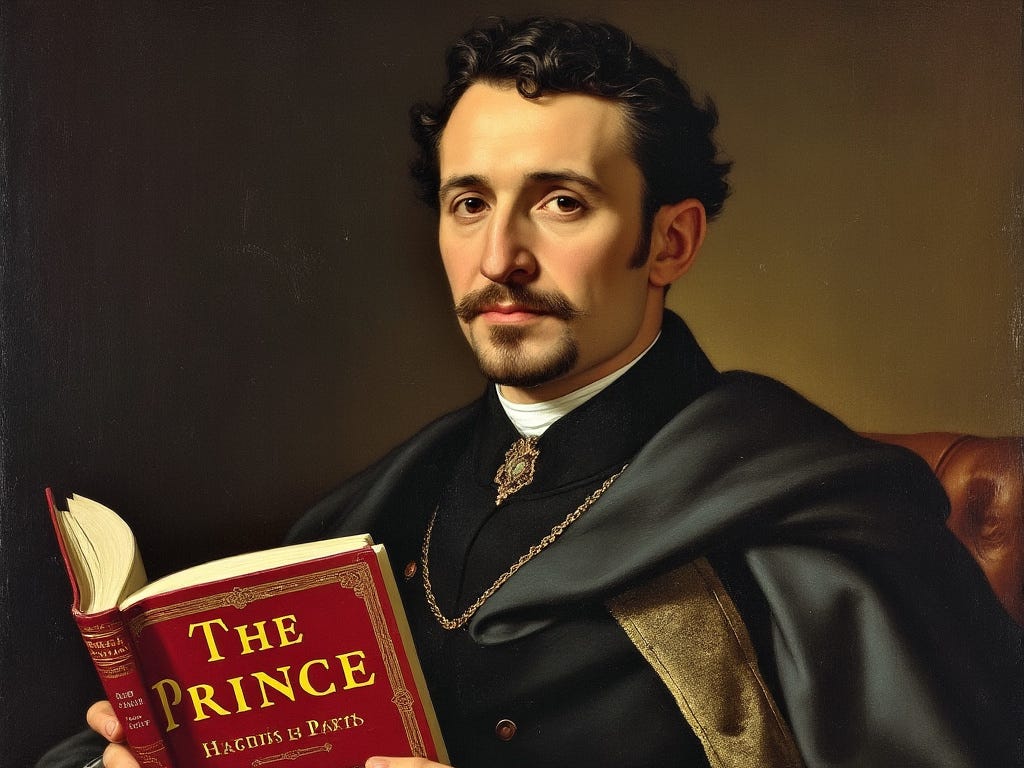
Reconciling Machiavelli with Modern Ethical Perspectives
Machiavelli’s philosophy continues to provoke debate among scholars, ethicists, and political theorists. While some view him as a cynic who abandoned morality, others see him as a realist who sought to navigate the challenges of political life. Reconciling Machiavelli’s ideas with modern ethical perspectives requires an appreciation of his nuanced approach to morality and power.
One way to interpret Machiavelli’s work is through the lens of ethical pluralism, which recognizes that different moral frameworks may be appropriate in different contexts. From this perspective, Machiavelli’s emphasis on pragmatism does not negate the value of traditional virtues but rather highlights the need for flexibility in the face of complex political realities. By acknowledging the tension between morality and necessity, Machiavelli invites readers to grapple with the ethical dilemmas inherent in leadership. Leaders today, much like professionals in physical therapy in Chicago, must adapt their approaches to suit different situations, balancing technical expertise with ethical considerations to ensure the best outcomes for individuals and communities.
Ultimately, Machiavelli’s legacy lies in his ability to challenge conventional wisdom and provoke critical reflection. His writings do not provide easy answers or a definitive moral code but instead encourage readers to consider the interplay between ethics, power, and human nature. In this sense, Machiavelli’s philosophy is not amoral but deeply engaged with the ethical questions that define the human condition.
Conclusion: A Complex Legacy
The question of whether Machiavelli was amoral is unlikely to yield a definitive answer, as it depends on how one interprets his writings and the values one prioritizes. What is clear, however, is that Machiavelli’s philosophy cannot be reduced to a simple rejection of morality. His emphasis on pragmatism and political necessity reflects a nuanced understanding of the challenges faced by leaders in a turbulent world. Just as soldiers rely on combat clothing to provide protection and functionality in unpredictable conditions, Machiavelli believed that rulers must equip themselves with the right tools—whether strategic alliances, calculated deception, or decisive action—to safeguard their states against instability.
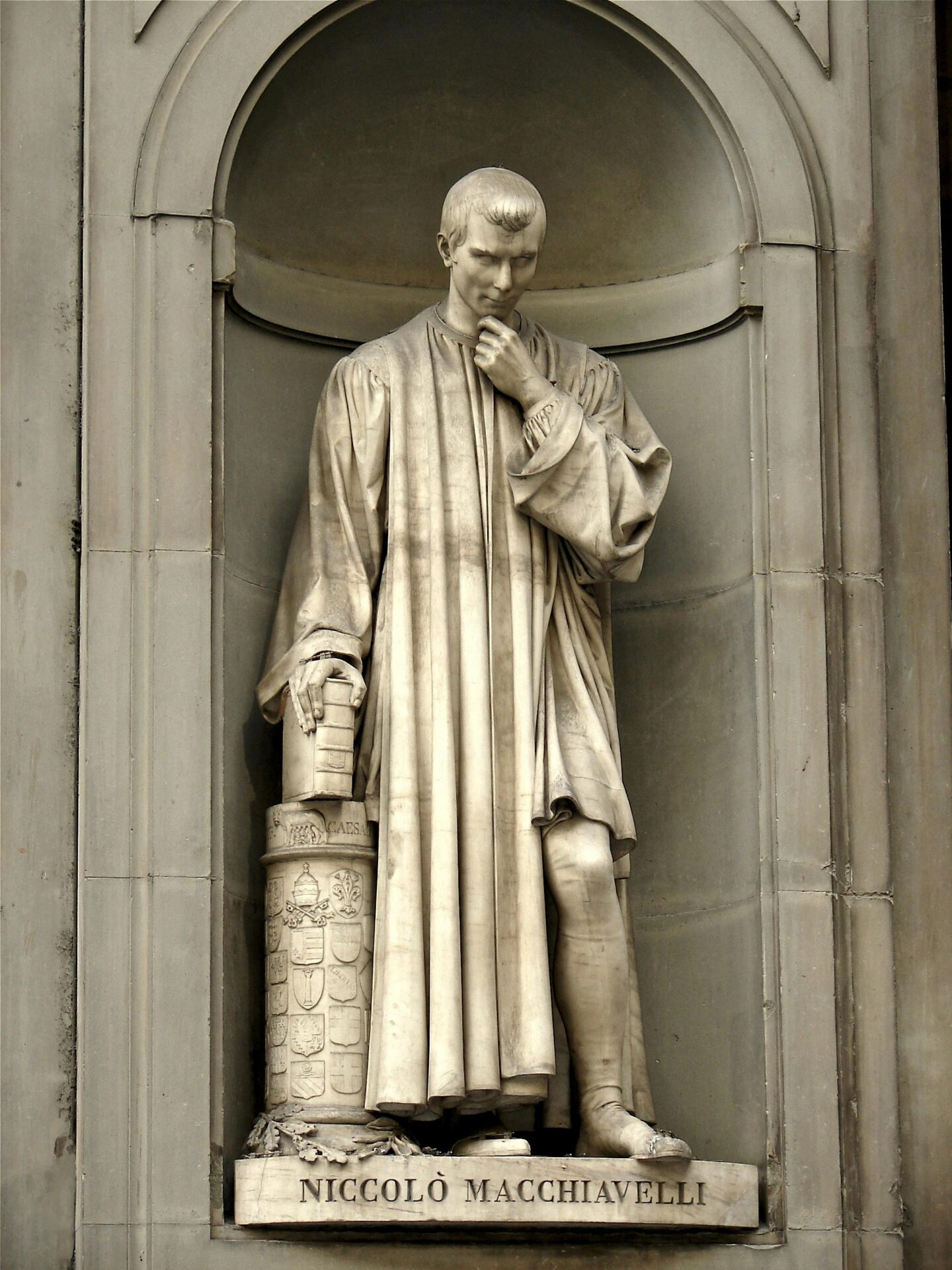
Machiavelli’s works continue to resonate because they confront uncomfortable truths about power, ethics, and human behavior. By exploring the ethical dimensions of his philosophy, readers can gain a deeper appreciation for the complexities of governance and the difficult choices faced by those in positions of authority. Rather than dismissing Machiavelli as amoral, it is more productive to engage with his ideas and consider what they reveal about the interplay between morality and power in both his time and ours. Even in modern governance, practical concerns often outweigh idealistic notions—whether in the administration of a city-state or in more routine matters like ensuring the authenticity of documents through a mobile notary who plays a crucial role in maintaining legal integrity.